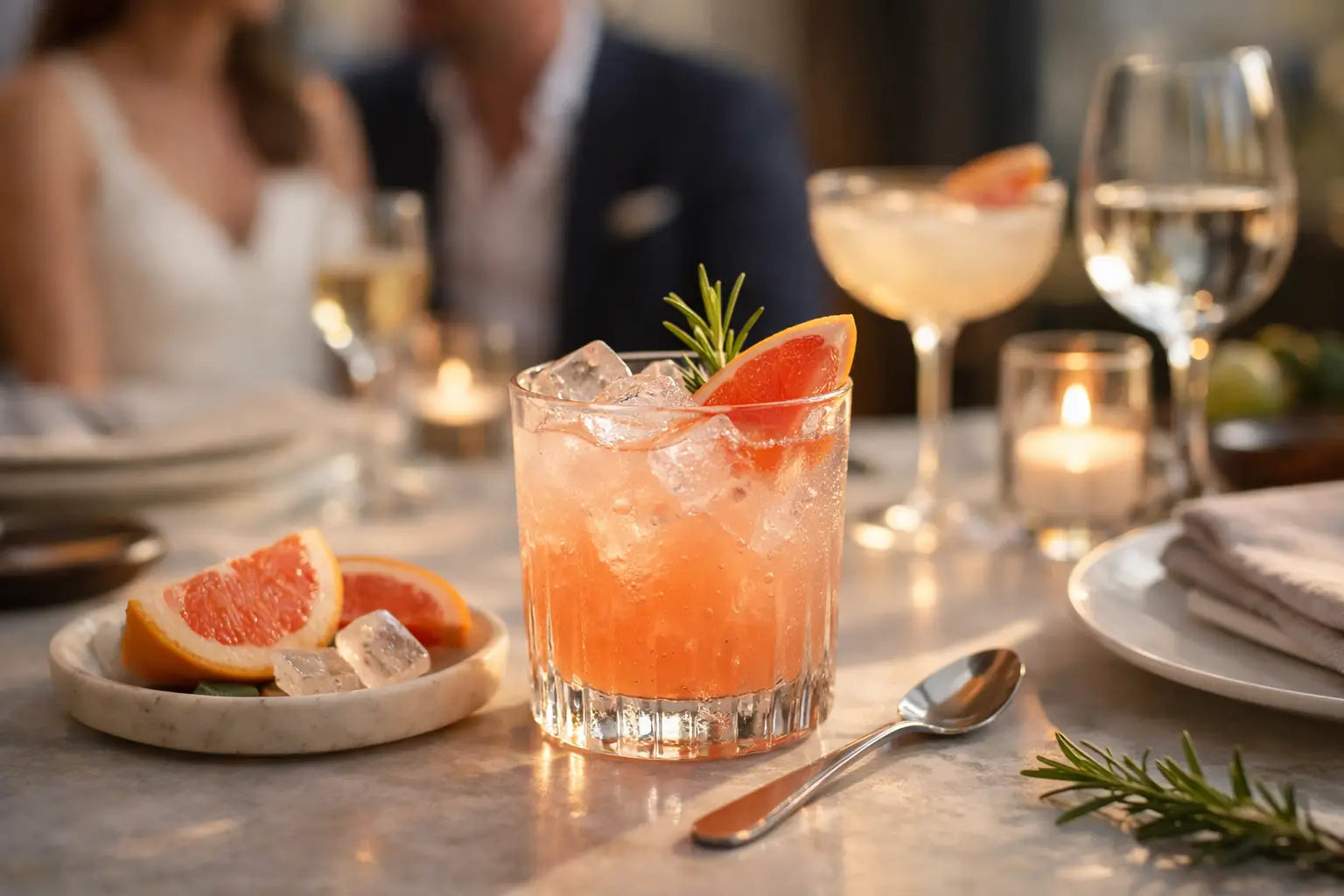
What Makes Premium Non Alcoholic Cocktails
A watered-down mocktail can flatten a whole occasion. You set the table, chill the glassware, cue the music, and then someone reaches for the alcohol-free option only to get something syrupy, overly sweet, or dressed up like an afterthought. Premium non alcoholic cocktails solve that problem by treating the drink in your hand as part of the experience, not a compromise beside it.
That difference is bigger than branding. When a non-alcoholic cocktail is genuinely premium, it brings the same cues people expect from a well-made classic - balance, aroma, texture, length, and presence. It belongs at dinner parties, rooftop gatherings, wedding weekends, and quiet evenings when you want something grown-up and beautifully made, just without the alcohol.
What premium non alcoholic cocktails actually mean
"Premium" gets used loosely in drinks, so it helps to be specific. In this category, it usually means the flavor profile is modeled on a real cocktail rather than a generic fruit soda. You should taste structure, not just sweetness. Citrus should feel bright rather than sharp. Mint should smell fresh, not toothpaste-cool. Spice should add lift and tension, not burn for the sake of it.
The best premium non alcoholic cocktails also pay attention to mouthfeel. Alcohol naturally adds weight and warmth, so removing it can leave a drink thin or one-note. A stronger alcohol-free recipe compensates with layered ingredients, measured acidity, subtle bitterness, and a finish that lingers long enough to feel composed.
Presentation matters too, and not in a superficial way. A premium canned cocktail or ready-to-serve pour should feel considered from the first glance to the last sip. Clean design, proper carbonation where it belongs, and a serve that looks as polished as it tastes all signal the same thing - this drink was made for adults who care about what they’re drinking.
Why the category has changed so quickly
For years, alcohol-free options were split between two extremes. You either had soft drinks pretending to be cocktails, or wellness products that seemed to apologize for being celebratory. Neither really answered the social moment. People still wanted ritual, sophistication, and the familiar language of a Bellini, Mojito, Paloma, or Mule. They just didn’t always want alcohol attached to it.
That shift has changed the standards. Today’s drinkers are more intentional, but they are not looking for less pleasure. They want an option that can sit comfortably next to wine, spirits, or sparkling water without feeling juvenile or medicinal. That is why premium matters. It tells the person choosing alcohol-free that they are still fully part of the occasion.
This is especially true when hosting. If one guest is moderating, another is not drinking at all, and everyone else is mixed, the easiest way to make the table feel inclusive is to serve something with equal visual appeal and flavor credibility. A thoughtful alcohol-free cocktail does that quietly and effectively.
The flavor markers of a truly premium serve
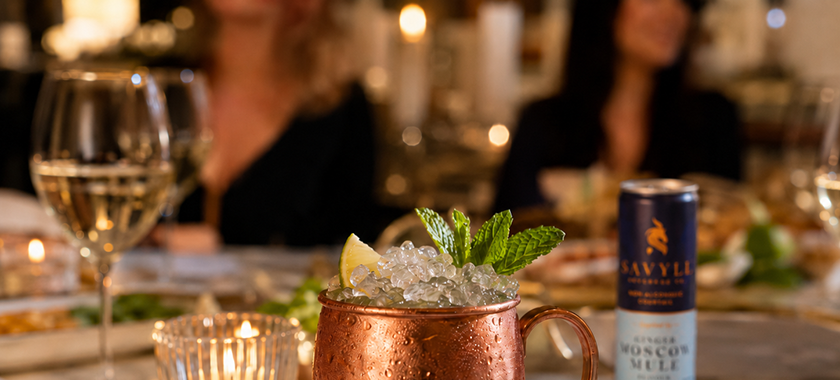
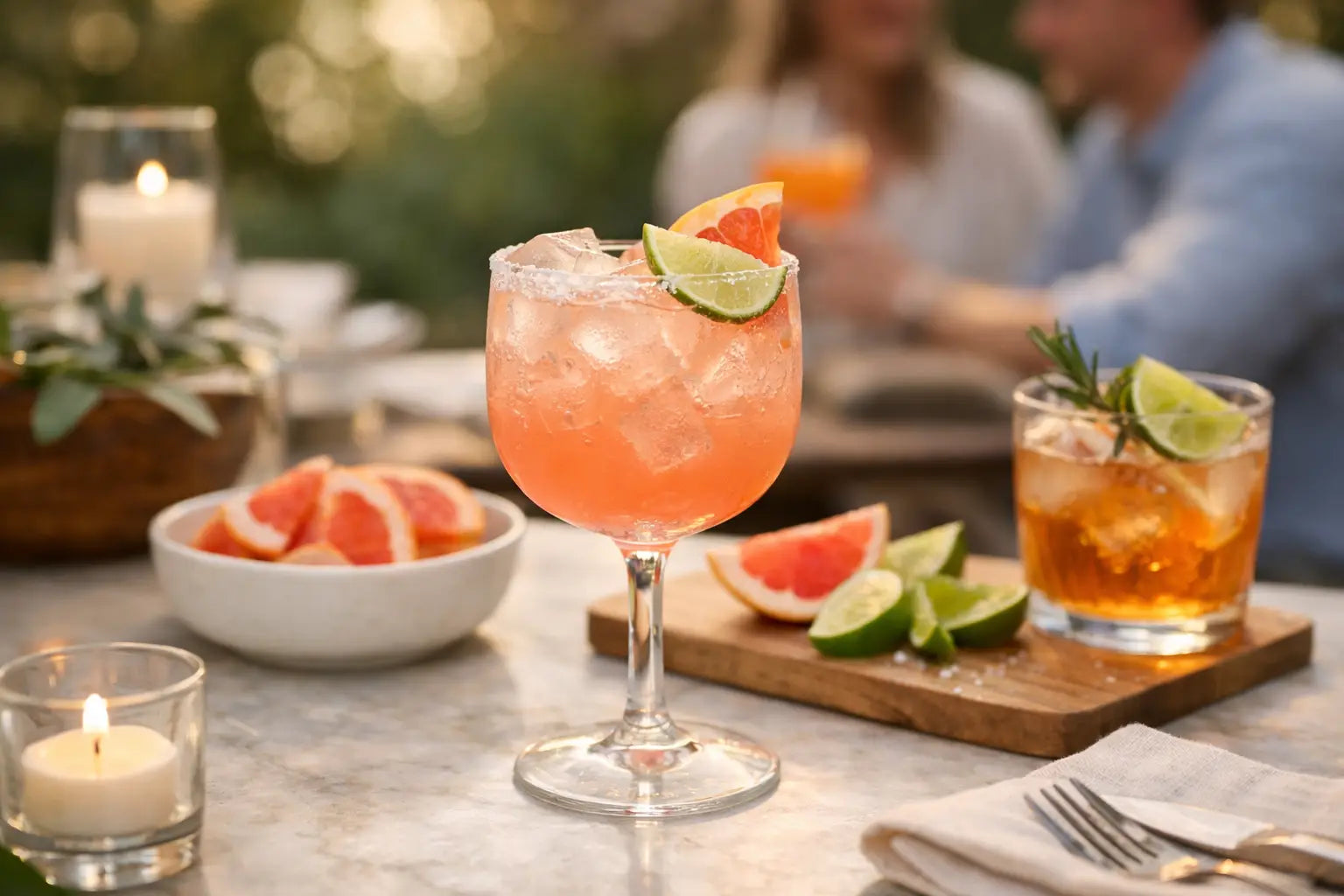
A premium non-alcoholic cocktail should feel built, not blended into sameness. The first marker is balance. A Bellini-inspired drink should offer ripe stone-fruit character with freshness and lift, not read like peach nectar with bubbles. A Mojito should be minty, zesty, light, and crisp rather than sticky. A Paloma needs citrus bite and a touch of bitterness to avoid becoming a pink soda. A Mule should bring that fiery, punchy edge people expect, even without alcohol.
The second marker is restraint. Many lower-quality alcohol-free drinks lean too hard on sugar because sweetness hides a lack of structure. Premium recipes do the opposite. They use sweetness carefully, so the drink feels adult and clean on the palate.
The third is length. Great cocktails do not disappear the second you swallow. Even in alcohol-free form, there should be a finish - herbal, citrusy, spicy, or lightly bitter - that gives the drink shape. That finish is often what separates a credible alternative from a novelty purchase.
Convenience is part of the luxury
There is still a tendency to think handcrafted always means better. Sometimes that is true. If you have fresh citrus, good ice, the right glassware, and the time to build each drink, making cocktails from scratch can be wonderful. But that is not every Tuesday night, and it is not every event.
Ready-to-drink premium non alcoholic cocktails succeed because convenience no longer has to mean lower standards. A bartender-quality flavor in a can or ready-to-serve format removes friction without flattening the experience. You can chill, pour, garnish if you want, and serve something polished in seconds.
That matters at scale. Hosting six people is one thing. Hosting twenty is another. A premium ready-to-drink option keeps every guest included without turning the host into a full-time bartender. It also creates consistency. The first drink tastes as good as the last, which is exactly what you want at a dinner party, baby shower, office celebration, or weekend brunch.
When premium non alcoholic cocktails are worth the price
Not every alcohol-free drink needs to be premium. If you want a simple sparkling beverage on a hot afternoon, that can be enough. The premium tier becomes worthwhile when the moment asks for more than refreshment.
If the drink is part of the atmosphere, quality shows. You notice it when serving aperitifs before dinner, setting up a wedding welcome table, stocking the fridge for guests, or bringing something elegant to a host. In those situations, the trade-off is clear. You pay more than you would for soda, but you get something that feels occasion-worthy and socially fluent.
There is also the matter of expectation. A guest who orders a non-alcoholic cocktail at a restaurant or opens one at home is often comparing it not to juice, but to the ritual and satisfaction of a classic mixed drink. Premium products justify their price when they meet that expectation with complexity, polish, and zero sense of compromise.
How to choose the right style for the occasion
The best choice depends on mood, food, and setting. Lighter styles such as Bellini or Mojito-inspired drinks tend to work beautifully for brunches, daytime gatherings, and warm-weather entertaining. They feel bright and easy, but still refined.
Citrus-forward options like a Paloma are versatile with food. They pair well with salty snacks, grilled dishes, and menus where you want a little edge and refreshment in the glass. Mule-style drinks are often the boldest. Their ginger-led profile gives them enough punch to hold their own in colder weather or evening settings where people want a drink with more presence.
For mixed groups, variety is usually smarter than betting on one profile. Different palates lean toward different kinds of complexity. Some want soft fruit and sparkle, others want herbs, acid, or spice. A tight but well-chosen range covers the table without overwhelming it.
What hospitality buyers and retailers should pay attention to
For bars, cafes, hotels, and retail buyers, premium non alcoholic cocktails are not simply a box to check. They are a chance to offer something with strong visual appeal, broad social relevance, and dependable repeat purchase potential.
Taste is still the first filter, but operational ease matters just as much. Ready-to-drink formats reduce training demands, speed up service, and help maintain consistency across teams and locations. That makes them useful in environments where quality has to scale.
The strongest options also avoid preaching. Consumers increasingly want alcohol-free choices, but they do not necessarily want wellness language to dominate the menu. They want something stylish, credible, and easy to order in mixed company. Brands such as Savyll have understood this well by treating alcohol-free cocktails as uncompromised drinks first, not side-note substitutes.
The real test is whether people ask for another
The easiest way to judge a premium alcohol-free cocktail is not by the label or the claim. It is by behavior. Does it get poured into proper glassware? Does it hold attention through a meal? Does the person drinking it feel catered to, not managed? Most importantly, do they want a second one?
That is where the category proves itself. A premium drink should not require generous interpretation. It should feel complete on its own - balanced, stylish, and ready for the occasion in front of it. When alcohol-free options are made with that level of care, they do more than fill a gap in the menu. They make the whole table feel better hosted.