
Ready to Drink Mocktail Guide for Better Hosting
The fastest way to make guests feel considered is not a complicated menu or a perfect tablescape. It is offering something genuinely good to drink for everyone in the room. This ready to drink mocktail guide is for hosts, dinner-party regulars, and social drinkers who want alcohol-free options that feel as polished and occasion-worthy as anything poured from a bottle behind the bar.
Canned mocktails have moved well beyond sweet, one-note substitutes. The best ones are built like real cocktails, with citrus, bitterness, spice, herbaceous lift, and a finish that gives the drink shape. That matters, because when an alcohol-free option is treated as an afterthought, guests notice. When it is treated with the same care as any classic serve, the whole occasion feels more inclusive and more relaxed.
What a ready to drink mocktail guide should actually help you do
A useful guide should make selection easier, not more confusing. Ready-to-drink mocktails live at the intersection of flavor, convenience, and presentation. You are not just choosing a can. You are choosing what kind of experience you want to create, whether that is a casual backyard lunch, a celebratory brunch, or a low-key evening that still deserves a proper drink.
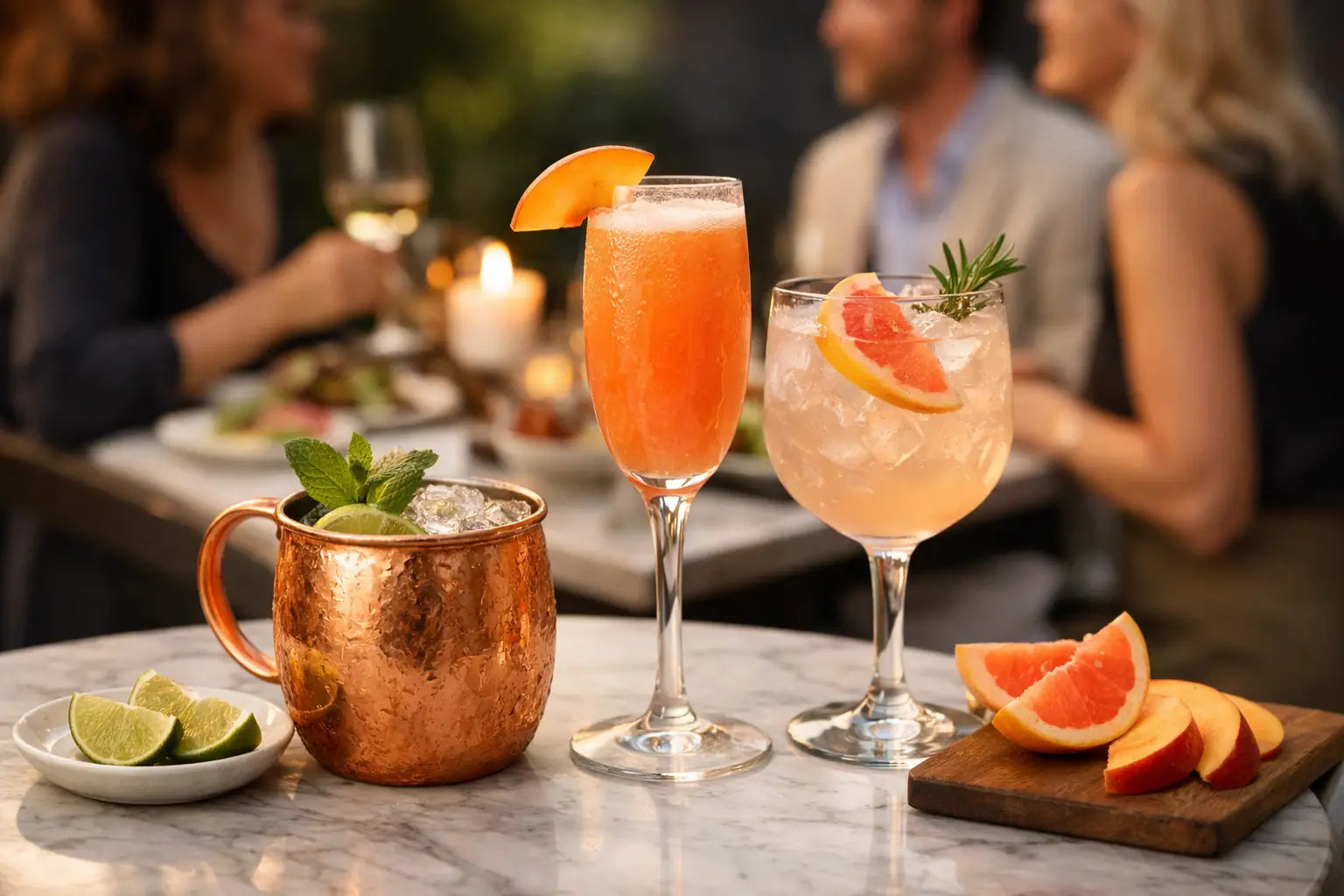
That is why the right question is not simply, which mocktail is best. It is, which style fits this moment. A bright, sparkling Bellini works differently from a crisp Mojito or a fiery Moscow Mule. They carry different moods, pair with different foods, and appeal to different palates. If you think like a host rather than a shopper, the category becomes much easier to navigate.
Start with flavor, not the label
The simplest mistake is buying by category name alone. Classic cocktail-inspired mocktails sound familiar, but familiarity does not guarantee balance. One Paloma may lean fresh and citrusy with a gentle bitter edge, while another may taste flat or overly candied. One Mojito may feel minty, zesty, and clean, while another gets stuck in syrupy sweetness.
A better standard is bartender-quality flavor. That means the drink should open with clear aromatics, deliver contrast on the palate, and finish with enough structure to feel grown-up. Sweetness has a place, especially in fruit-forward serves like a Bellini, but it should never flatten the drink. The best ready-to-drink mocktails taste intentional, not diluted.
Natural ingredients matter here, but not as a marketing decoration. They matter because they tend to give a cleaner expression of fruit, spice, and botanicals. If a drink promises lime, mint, grapefruit, ginger, or peach, those notes should be easy to recognize. You want something vivid and layered, not vague.
The role of balance in alcohol-free cocktails
Alcohol usually adds weight, warmth, and length. Without it, a mocktail has to create interest in other ways. Carbonation can add lift. Citrus can sharpen the profile. Ginger can bring heat. Botanical notes can add complexity. A little bitterness can stop a drink from feeling juvenile.
This is where trade-offs come in. A very light, sparkling mocktail may be perfect before dinner but less satisfying if you want a slow sipper at night. A richer or spicier drink may feel more cocktail-like, though it can be less universally crowd-pleasing. Neither is wrong. It depends on who you are serving and what role the drink is meant to play.
Match the mocktail to the occasion
Ready-to-drink mocktails shine because they remove friction. You do not need a bar cart, fresh herbs, or ten minutes per drink. But convenience works best when it still feels considered.
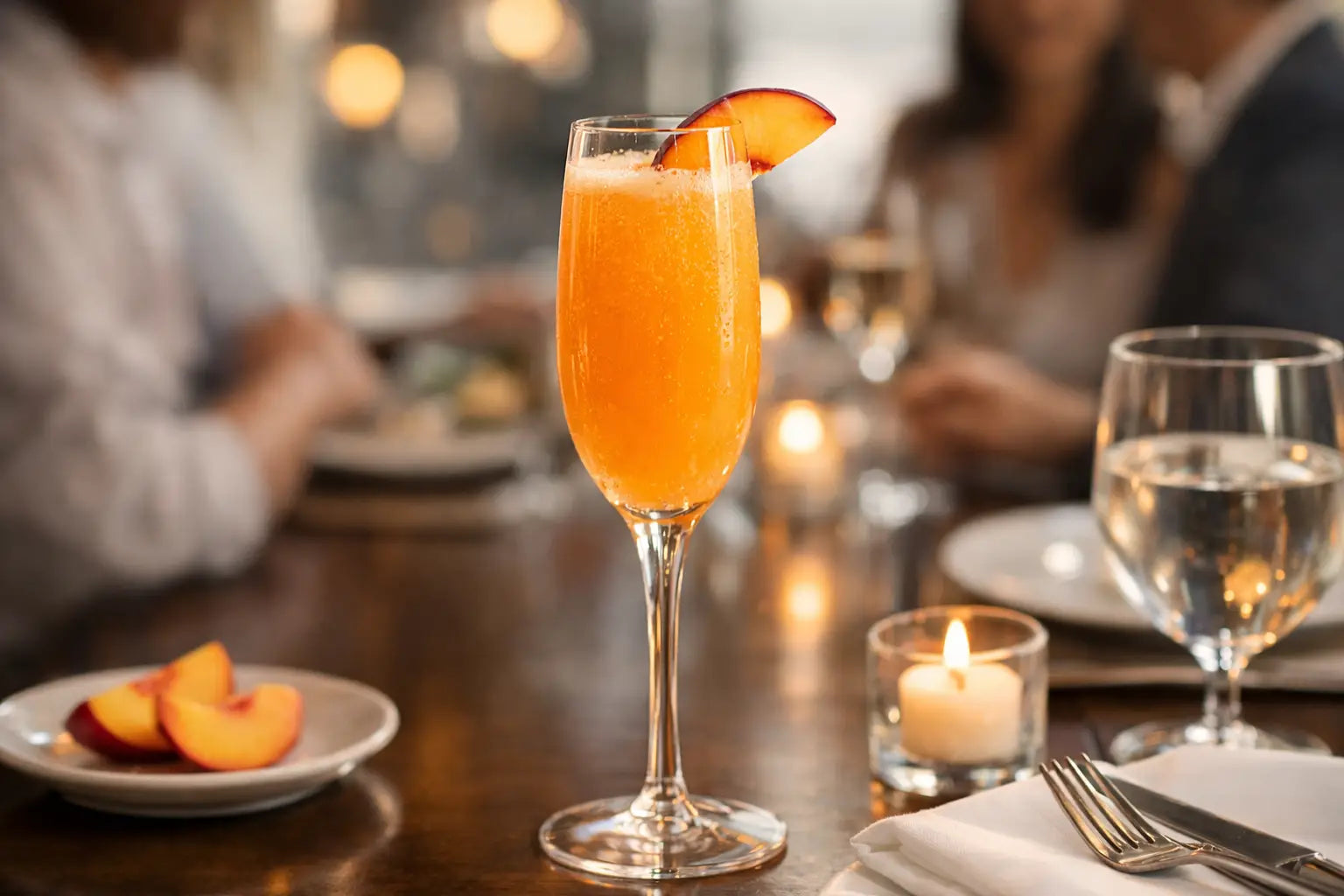
For brunch or daytime gatherings, fruit-led options usually land well. Bellini-style mocktails are easy to serve and instantly festive. They bring softness and sparkle without becoming heavy, which makes them a natural fit for pastries, fruit, and lighter savory dishes.
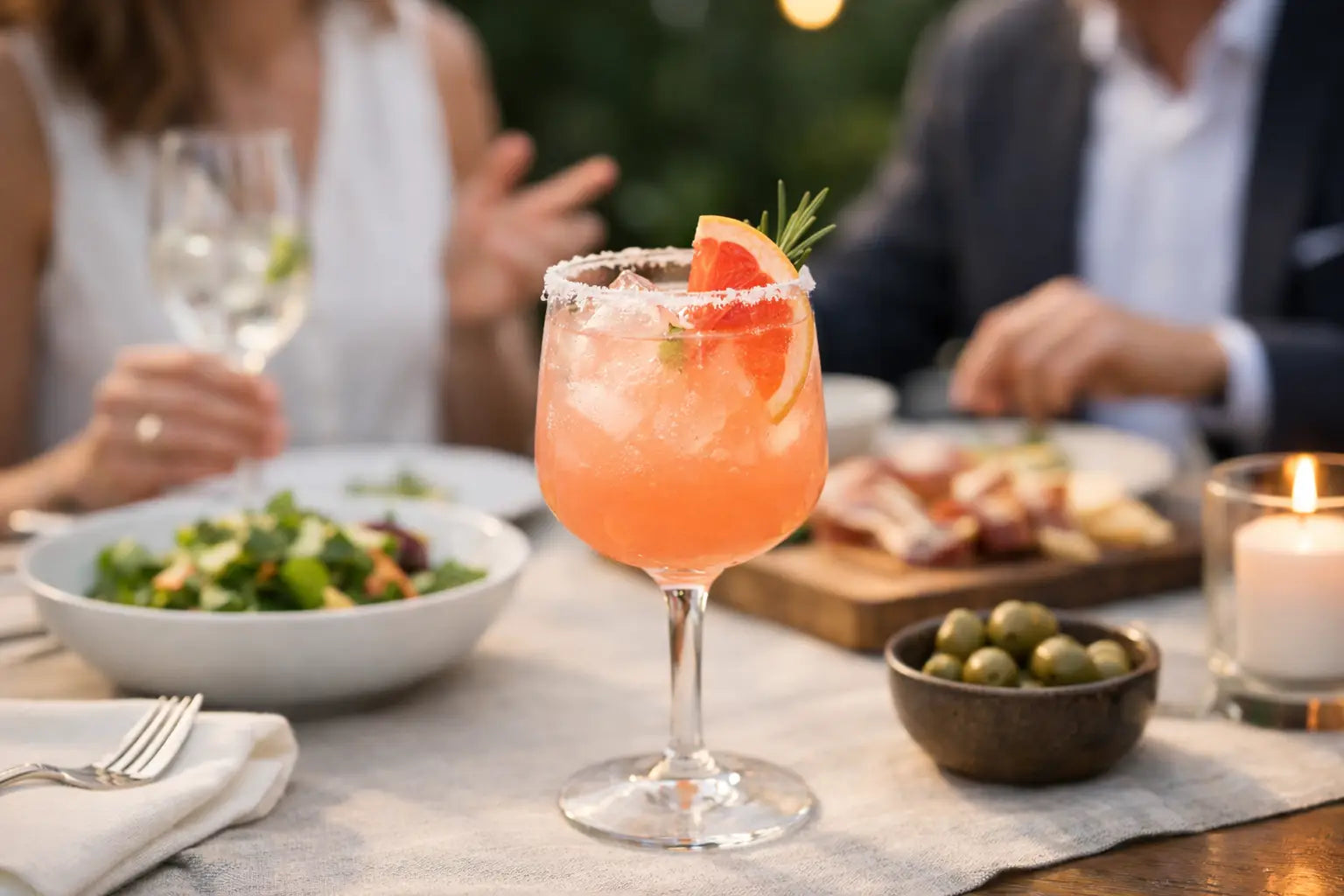
For warm-weather lunches, rooftop moments, or anything outdoors, Mojito and Paloma styles tend to be strong choices. A Mojito-style serve offers mint, citrus, and a refreshing finish. A Paloma-style mocktail adds grapefruit character and a more grown-up bitter edge. Both feel bright, social, and easy to revisit over the course of an afternoon.
Evening occasions often call for more definition. A Moscow Mule-inspired mocktail, with ginger spice and crisp citrus, has enough presence to hold its own during dinner or stand in as the first drink of the night. It feels purposeful rather than polite.
If you are serving a mixed group, variety packs can be the smartest option. They let guests choose based on taste rather than having one alcohol-free choice assigned to them by default. That small shift changes the mood. It signals that everyone has been invited to enjoy the drinks, not merely accommodated.
How to judge quality before you serve it
A practical ready to drink mocktail guide should also help you spot quality quickly. Start with ingredient clarity. If the flavor profile is classic and recognizable, the ingredient list and tasting notes should support that with confidence.
Then consider texture and finish. Premium alcohol-free cocktails should not disappear the moment you swallow. Even in a lighter serve, there should be enough acidity, bitterness, spice, or effervescence to leave an impression. The drink should feel composed.
Packaging matters more than people admit. A can is convenient, portable, and consistent, but it should still look at home on a dressed table, at a dinner party, or in a cooler at a beach gathering. Premium design signals that the drink is meant for adult occasions. That visual cue helps guests feel they are being offered something stylish, not second-best.
Savyll has built its range around exactly this idea: classic cocktail character, all-natural ingredients, and ready-to-serve convenience without sacrificing sophistication. That is the benchmark worth looking for, whether you are stocking your fridge for home or planning drinks for a larger event.
Serving matters, even when the can does the work
One reason ready-to-drink mocktails work so well is that they lower effort without lowering standards. Still, the way you serve them can change the entire experience.
If the moment is casual, serving chilled cans is perfectly reasonable. For dinners and more polished gatherings, pour into proper glassware. A flute suits a Bellini-style mocktail. A highball works well for Mojito, Paloma, and Mule variations. Add ice if the drink benefits from extra chill, but be selective. Too much ice can dilute delicate flavors quickly.
Garnish is optional, not mandatory. A slice of grapefruit, a sprig of mint, or a lime wheel can elevate the presentation, but only if it suits the drink. The point is not to create labor. The point is to make the serve feel intentional.
Temperature is another detail that separates good from forgettable. Most ready-to-drink mocktails show best when fully chilled. If they are merely cool, sweetness tends to rise and the finish can feel softer than intended. Keep them cold, and they will taste sharper, cleaner, and more precise.
Common buying mistakes to avoid
The first mistake is assuming all alcohol-free cocktails are aimed at wellness culture. Some are, and that may appeal to certain buyers. But if your priority is flavor and social ease, focus on drinks designed around cocktail quality rather than functional claims.
The second is overvaluing novelty. Unusual flavors can be fun, but classic profiles often win because guests understand them instantly. Bellini, Mojito, Paloma, and Moscow Mule styles come with built-in expectations, which makes them easier to serve confidently.
The third is buying for the label rather than the palate. Dry is not always better. Sweet is not always simpler. Sparkling is not always more refreshing. Context decides. Think about food, timing, weather, and the preferences of the people you are hosting.
Why this category keeps growing
The rise of premium ready-to-drink mocktails is not a niche trend. It reflects a broader shift in how people socialize. Many adults want flexibility. They may be moderating, abstaining, driving, training, hosting, or simply not interested in alcohol that night. What they do not want is a compromise in taste or ritual.
That is why the category works when it is done well. It preserves the social language of a cocktail hour while giving people more freedom within it. The best alcohol-free drinks are not trying to apologize for what they are missing. They are offering something complete on their own terms.
A well-chosen mocktail can do something surprisingly powerful. It can make a table feel more welcoming, a gathering feel more thoughtful, and a host look more prepared without adding work. That is not a small thing.
If you are building your fridge, planning a party, or upgrading the usual sparkling-water fallback, choose drinks that taste like they belong at the occasion. When the flavor is layered, the serve is easy, and the presentation feels right, alcohol-free stops being a backup plan and becomes part of the reason people are glad they came.