
Article: Ready to Drink Non Alcoholic Cocktails
Ready to Drink Non Alcoholic Cocktails
Some drinks ask you to settle. A soda with lime when everyone else has a proper serve. A sugary mocktail that looks festive but tastes flat. Ready to drink non alcoholic cocktails changed that by offering something far more convincing - a real cocktail experience, minus the alcohol, with the same sense of occasion intact.
That shift matters because people are no longer choosing alcohol-free options only for necessity. They are choosing them for taste, for balance, for better mornings, and often simply because they want a refined drink that suits the moment. The expectation has risen. If a canned cocktail is going to earn a place at the table, it has to feel deliberate, stylish, and complete.
Why ready to drink non alcoholic cocktails are having a moment
The appeal starts with convenience, but it does not end there. Anyone can pour sparkling water over ice. What people actually want at a dinner party, rooftop gathering, or weeknight meal is something with structure - citrus brightness, herbal lift, gentle bitterness, spice, or fruit that feels fresh rather than candy-like.
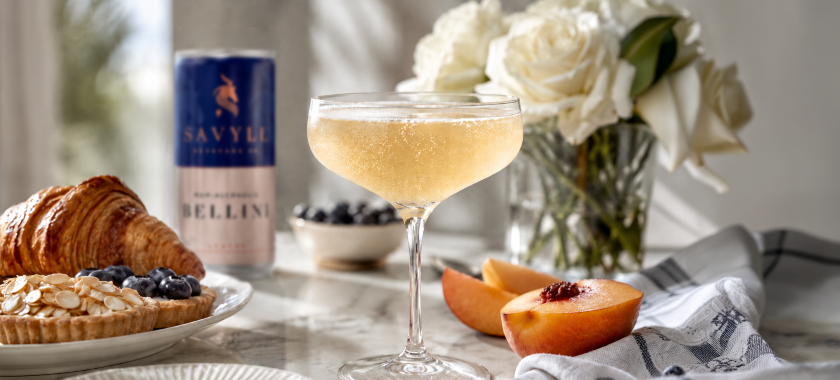
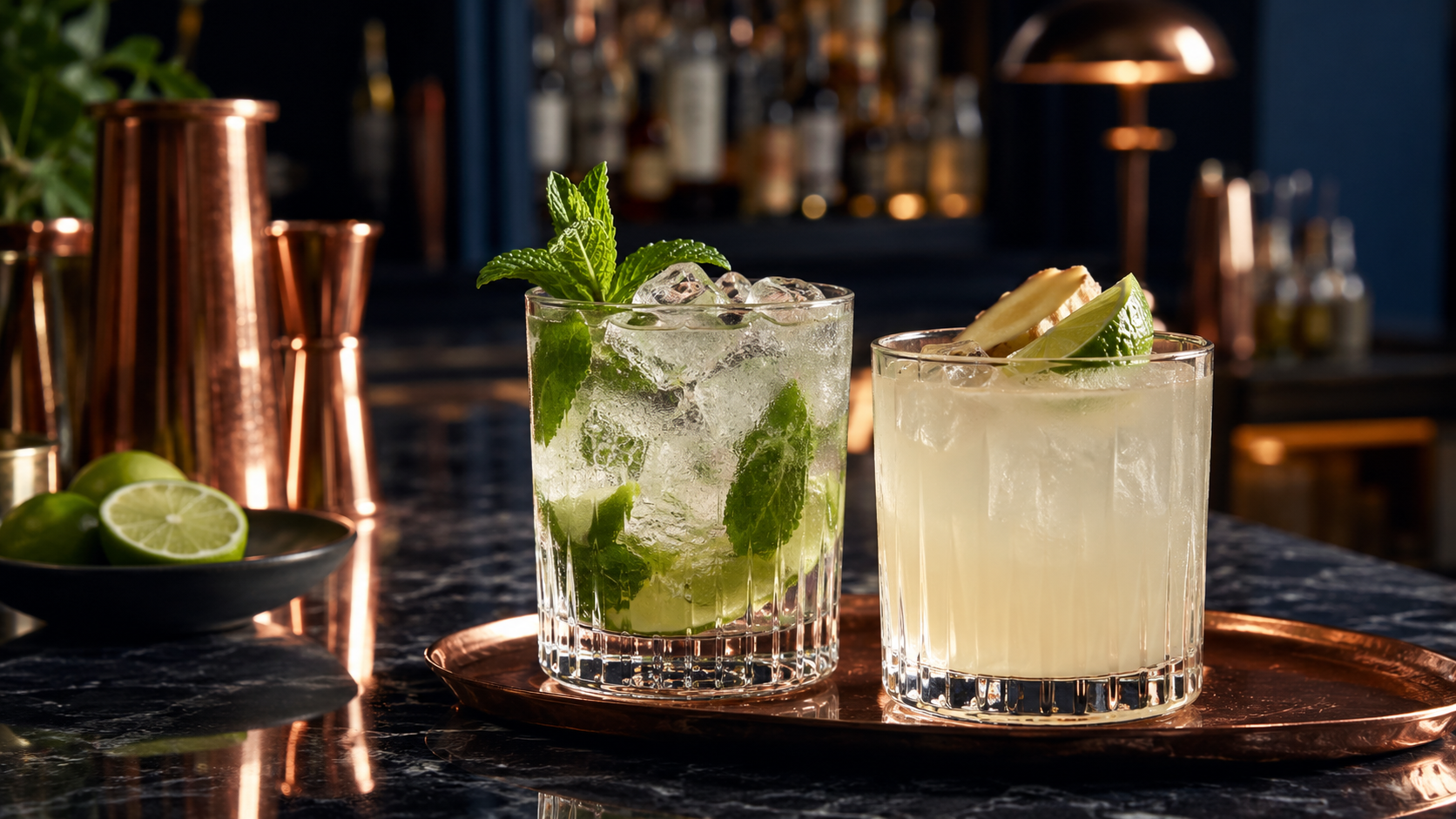
That is where this category has become genuinely exciting. The best ready-to-serve alcohol-free cocktails are not trying to imitate cheap mixed drinks. They are taking inspiration from classics people already know and enjoy, then rebuilding them with balance in mind. A good Bellini should still feel soft, juicy, and celebratory. A proper Mojito should taste minty, zesty, light, and crisp. A Moscow Mule should bring that familiar fiery, punchy edge. The point is not novelty for novelty’s sake. It is recognition, done well.
There is also a social reason behind the category’s rise. More hosts want everyone to feel included without creating a separate, lesser menu for non-drinkers. More guests want the freedom to alternate between alcoholic and alcohol-free serves without losing the ritual of having something sophisticated in hand. A well-made canned cocktail solves that elegantly.
What separates good from forgettable
Not every can deserves a chilled spot in your fridge. The difference between a premium alcohol-free cocktail and a forgettable one usually comes down to restraint.
The first test is sweetness. Many disappointing non-alcoholic drinks lean too heavily on sugar to create flavor. That may work for the first sip, but it quickly becomes tiring, especially with food. Better options let acidity, bitterness, botanicals, or spice carry part of the experience so the drink feels composed rather than sticky.
The second test is texture. Cocktails are not only about flavor. They need a certain mouthfeel, a sense of body, and enough complexity to hold your attention beyond the initial pour. Thin drinks often come across as soft drinks wearing cocktail clothing. Premium versions create more shape on the palate, even without alcohol.
The third test is whether the drink fits an occasion you actually care about. Some products speak loudly about wellness but forget the pleasure part. Others focus so hard on being edgy that they become difficult to enjoy. The strongest ready to drink non alcoholic cocktails feel natural at brunch, dinner, celebrations, and slow evenings at home. They do not ask for a special explanation. They simply belong.
The classics still lead for a reason
There is a reason classic cocktail-inspired serves continue to outperform more experimental flavors. Familiarity helps people know what to expect, and in social settings that matters.
A Bellini works because it carries a celebratory mood almost instantly. It is soft, fruity, and easy to serve, making it especially useful for brunches, daytime gatherings, and moments when you want something polished without being too serious.
A Mojito remains one of the most versatile options in the category. When made well, it is refreshing in a grown-up way, with mint and citrus doing the heavy lifting instead of sugar. It suits warm weather beautifully, but it is just as welcome with spicy food or casual hosting.
Paloma-style serves bring a slightly sharper profile. Citrus-led, bright, and often touched with bitterness, they feel modern and food-friendly. They are ideal for people who want an alcohol-free drink that still has a little edge.
Moscow Mule-inspired drinks tend to win over guests who usually say they do not like sweet alternatives. Ginger gives them backbone. The result can be crisp, punchy, and satisfying enough to stand up to richer dishes.
That classic framework is one reason brands like Savyll resonate. When the reference point is recognizable and the execution is premium, the drink feels less like a substitute and more like a choice you would gladly make on its own terms.
When canned cocktails make the most sense
There is still a place for mixing drinks from scratch. If you love building a serve, slicing garnishes, and adjusting every note, homemade has its pleasures. But there are plenty of moments when ready-to-drink is simply smarter.
Hosting is an obvious one. If you are cooking, greeting guests, or trying to keep a table flowing, you do not want to be stuck playing bartender all night. A chilled can poured into proper glassware gives you consistency without the effort, and your alcohol-free guests get something as considered as everyone else.
Travel and outdoor occasions are another. Picnics, beach days, concerts, and weekend stays all benefit from drinks that travel well and do not require a shopping list of mixers. Convenience, in this case, is not about cutting corners. It is about making quality portable.
Then there is the everyday question of momentum. On a Tuesday night, you may want the ritual of a cocktail without opening multiple bottles or leaving leftovers in the fridge. A single-serve can removes the friction. That ease is part of why the category has become a modern staple rather than an occasional backup plan.
How to serve ready to drink non alcoholic cocktails well
A premium canned cocktail does not need much help, but a little attention goes a long way. Temperature matters more than people think. Serve them properly chilled, or over fresh ice if the style calls for it. Warm cans flatten nuance fast.
Glassware helps, too. You do not need a full home bar setup, but using a flute for a Bellini-style serve or a highball for a Mojito or Mule changes the experience. It signals that this is a real drink, not an afterthought.
Garnish should stay simple and relevant. A lime wheel, a sprig of mint, a slice of grapefruit, or a bit of peach can lift the aroma without turning service into a production. The goal is elegance, not theater.
If you are entertaining a mixed crowd, avoid separating alcoholic and non-alcoholic drinks in a way that makes one feel secondary. Put them on the same tray. Use the same standard of presentation. Inclusion often comes down to these small but visible details.
What buyers and hosts should look for
Whether you are shopping for home, retail shelves, or a hospitality menu, the same basic questions apply. Does the drink taste complete on its own? Is it versatile across occasions? Does the packaging look credible in a premium setting? And most importantly, would someone choose a second can because they enjoyed it, not just because they were avoiding alcohol?
Ingredient quality matters here. Natural flavors, balanced sweetness, and vegan-friendly formulations are not just talking points. They signal a more thoughtful product and often translate directly into a cleaner, more polished drinking experience.
Range also matters. A tight lineup of well-executed classics is often stronger than an oversized collection chasing trends. For customers, that means less guesswork. For bars, cafés, and retailers, it means broader appeal with fewer slow movers.
The most successful alcohol-free products understand that taste is only half the job. The other half is confidence. People want to serve them proudly, order them comfortably, and bring them to the table without apology.
Ready to drink non alcoholic cocktails earn their place when they deliver both - bartender-quality flavor and the quiet assurance that nobody is missing out. And once a drink can do that, it stops being an alternative and starts becoming part of how we celebrate now.