
The Growth of the Sober Curious Beverage Market
A dinner party once had a predictable opening ritual: wine poured, beer offered, perhaps a cocktail shaken for someone who wanted something stronger. The non-drinker was often left with sparkling water, soda, or an overly sweet mocktail. That script is changing. The growth of the sober curious beverage market reflects a simple but meaningful shift: more adults want the pleasure, flavor, and social rhythm of a great drink without alcohol being the default.
This is not about rejecting celebration. It is about making celebration more inclusive, more intentional, and frankly, more enjoyable for everyone at the table. A crisp Paloma, a bright Mojito, or a fiery Moscow Mule can still mark the moment. The difference is that nobody has to compromise their plans for the next morning, their personal goals, or their preference not to drink.
Why the sober curious beverage market is growing
The sober curious movement has moved beyond a short-lived wellness trend because it answers a real consumer need. Many people are no longer thinking only in categories of “drinker” and “non-drinker.” They are choosing differently depending on the occasion: alcohol at a wedding toast, something non-alcoholic at a work dinner, alternating drinks on a Friday night, or skipping alcohol entirely for a month.
That flexibility has changed what people expect from a beverage. They are not looking for a consolation prize. They want a drink with character - something balanced, adult, and worthy of being served in a proper glass.
For millennials and Gen X consumers in particular, moderation often sits alongside busy schedules, fitness goals, parenting, travel, medication considerations, and a greater awareness of how alcohol affects sleep and mood. But health is only part of the story. The strongest driver is social: people want to stay present at the occasion without explaining themselves.
A well-made alcohol-free cocktail removes that awkwardness. It gives someone the same ritual of choosing a drink, opening a can, pouring over ice, adding a garnish, and joining the toast. That is a small detail with a large effect on how included people feel.
Premium quality has raised the standard
The earliest non-alcoholic options often fell into two extremes: functional beverages that felt more like supplements than refreshments, or sugary drinks that had little connection to the complexity of a cocktail. Neither fully met the needs of someone ordering at a stylish bar or hosting friends for dinner.
The growth of the sober curious beverage market has created room for a more sophisticated middle ground. Consumers increasingly expect real flavor architecture: citrus brightness, botanical notes, ginger heat, a clean finish, and enough balance to pair with food. They also expect packaging that looks at home on a dinner table, at a rooftop gathering, or in a hotel minibar.
Ready-to-drink formats are especially well placed to meet this moment. They offer consistency without turning the host into a bartender. Instead of sourcing several ingredients, measuring syrups, and hoping every glass tastes right, a premium canned cocktail can be chilled, poured over ice, and finished with a fresh garnish if the occasion calls for it.
Convenience matters, but it does not replace quality. A drink can be quick to serve and still feel considered. That is the point of a bartender-quality alcohol-free cocktail: it brings the flavor and presentation people associate with a classic drink, without making alcohol the price of entry.
Flavor is the deciding factor
Consumers may first try alcohol-free drinks for a dry month, an early meeting, or a desire to cut back. They return when the drink tastes genuinely good. A pleasant label and a wellness claim can create interest, but flavor creates loyalty.
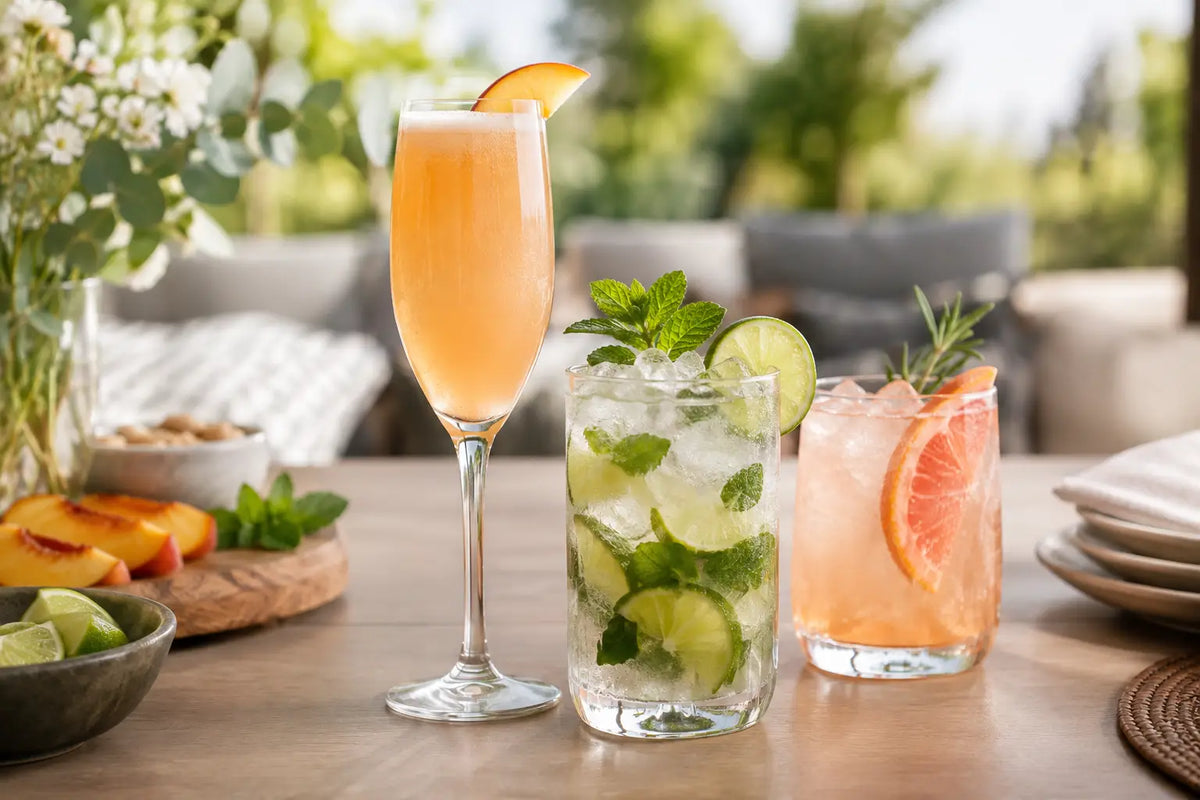
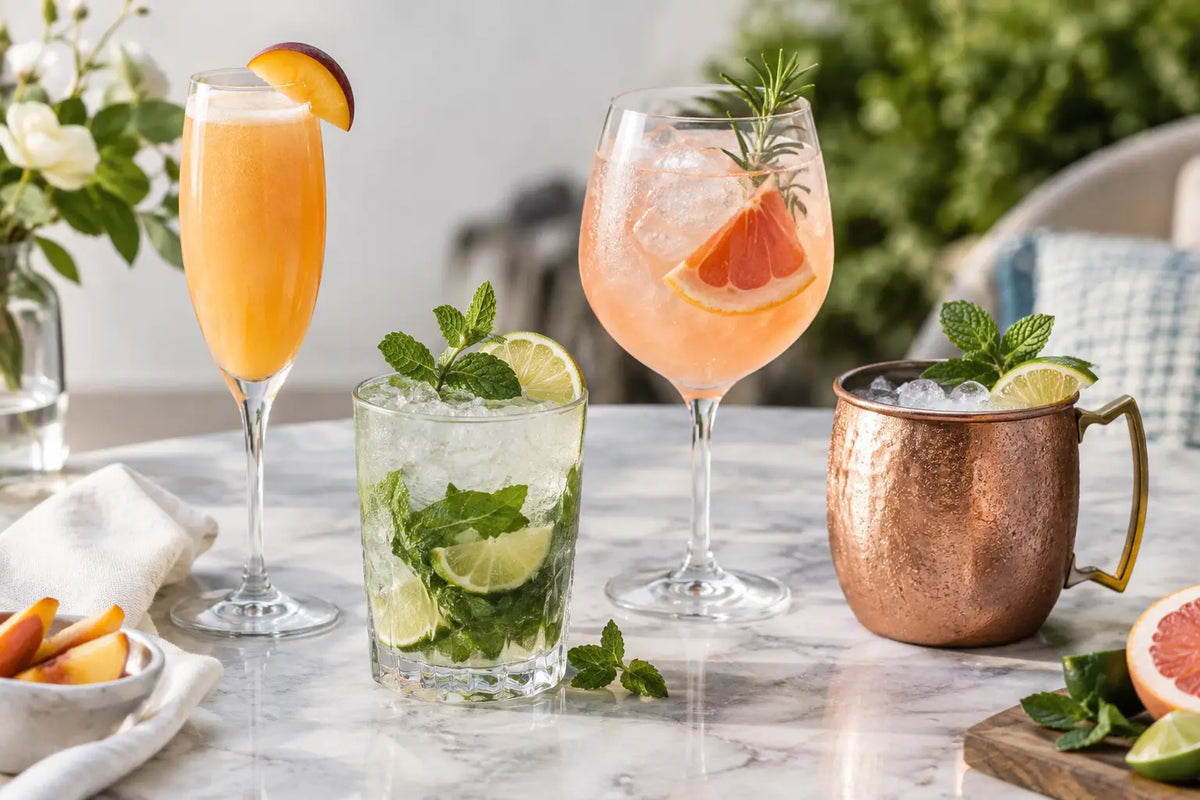
That is why recognizable cocktail profiles have such appeal. A Bellini offers a celebratory, fruit-forward option for brunches and showers. A Mojito brings cooling mint and citrus to warm afternoons. A Paloma feels lively and lightly bitter, while a Moscow Mule delivers the punchy ginger character many people expect from a more spirited serve.
Familiarity does not mean boring. It means the drinker understands the promise. They can choose according to mood, meal, weather, and occasion without having to decode a menu of obscure ingredients.
Hospitality is catching up with how people actually drink
The shift is visible at home, but it is just as relevant in restaurants, cafes, hotels, and event venues. Hospitality businesses are recognizing that a thoughtful alcohol-free menu is no longer a niche add-on. It is part of good service.
When one guest has an elegant zero-proof choice and another orders wine, both should feel equally considered. The experience should not signal who is participating and who is opting out. A beautiful glass, a proper garnish, and a drink with genuine depth create parity without imitation.
For operators, ready-to-drink non-alcoholic cocktails can also solve practical challenges. They offer dependable portioning, fast service, and less preparation than a made-to-order zero-proof cocktail. That can be particularly useful during busy brunches, large events, or high-volume evening service, when consistency matters as much as creativity.
There are trade-offs. A venue with an ambitious cocktail program may prefer to build a bespoke alcohol-free menu from scratch, especially when skilled bartenders and fresh ingredients are central to its identity. But for many businesses, a premium ready-to-serve option provides an elevated experience with less complexity behind the bar.
The new occasion is not just “not drinking”
One of the most useful ways to understand this category is to stop treating it as a replacement aisle. Alcohol-free beverages are increasingly chosen for their own occasions.
Think of the person bringing a polished mixed pack to a backyard lunch because several guests are driving. Think of a host who wants everyone to have something special before dinner. Think of a professional who enjoys a sophisticated drink at a client event but wants a clear head for the morning. These are not fallback moments. They are occasions that deserve a better beverage.
The category also benefits from a broader cultural move toward personalization. People choose dairy-free meals, decaf coffee, and flexible work patterns without needing to make those choices their entire identity. Alcohol consumption is becoming more flexible in much the same way. Some people are sober; some are moderating; some simply do not feel like drinking tonight. A strong beverage offering makes space for all of them without labels or pressure.
What will sustain growth in the sober curious beverage market
The market has momentum, but not every product will earn a permanent place in consumers’ refrigerators. Brands will need to deliver more than a good message. Price, flavor, ingredients, availability, and occasion fit will all matter.
Premium positioning has to be felt in the first sip. If a drink is priced like a cocktail but tastes thin, excessively sweet, or artificial, consumers will notice. Equally, a beautifully balanced drink needs to be easy to find and simple to serve. The winning products will make an ordinary Tuesday evening feel a little more intentional, while still standing up to a birthday dinner or a holiday gathering.
There is also room for the category to become less preachy. Not everyone choosing an alcohol-free cocktail is pursuing a wellness transformation. Sometimes they want a great drink before a long drive. Sometimes they want to pace themselves. Sometimes they simply prefer the flavor. The most welcoming brands speak to those choices with confidence, not judgment.
That perspective is central to the appeal of premium alcohol-free cocktails such as Savyll: classic-inspired serves made for people who still care about flavor, presentation, and the occasion itself.
A better host question
The old question was, “What can I get you to drink?” The better question is, “What would you enjoy?” It leaves room for every guest to choose without explanation.
Keeping a few premium alcohol-free cocktails chilled is one of the easiest ways to make that generosity visible. Serve them in glassware you like, add ice and a slice of citrus or a sprig of mint, and let the drink carry the same sense of occasion as anything else on the table. The future of celebration is not less festive. It is simply broad enough for everyone to raise a glass.