
Mocktails for Cafes Guests Will Order Again
A guest settling in with a late-morning pastry, a remote worker taking a meeting, and a table catching up after school pickup may all want the same thing: a drink that feels more considered than soda. Mocktails for cafes answer that moment beautifully. Done well, they bring cocktail-level flavor and presentation to the hours when alcohol is not the point - and make every guest feel included in the ritual of ordering something special.
For a cafe, the opportunity is not to turn the menu into a complicated cocktail program. It is to offer a small, confident alcohol-free selection that tastes grown-up, looks inviting, and is simple for the team to serve consistently. The best list feels native to the cafe: bright beside brunch, refreshing in the afternoon, and polished enough for an early evening gathering.
Why cafes need a better alcohol-free menu
Coffee remains the center of many cafe menus, but it does not suit every visit. A guest may have already had their caffeine for the day. They may be pregnant, sober, driving, taking a break from alcohol, or simply looking for a different kind of refreshment. None of those choices should leave them with only sparkling water or a syrup-heavy lemonade.
A premium mocktail gives cafes another meaningful occasion to serve. It can lift the average check without adding a full kitchen process, especially when paired with pastries, shareable plates, or a weekend brunch menu. More importantly, it signals thoughtful hospitality. Guests notice when the alcohol-free offering has been designed with the same care as the coffee, wine, or food.
There is also a practical advantage to a concise ready-to-serve program. Fresh juices, herbs, and multiple house syrups can make beautiful drinks, but they introduce prep time, waste, and variation between shifts. A well-chosen canned or bottled non-alcoholic cocktail can deliver a bartender-quality result with far less friction. The trade-off is that the product must genuinely taste balanced on its own. Convenience only adds value when the drink still feels worth ordering.
Build mocktails for cafes around real cafe moments
The strongest menus begin with when guests are drinking, not with a long list of flavors. Most cafes do not need eight mocktails. Three or four distinct options will usually create more confidence at the counter and less pressure on staff.
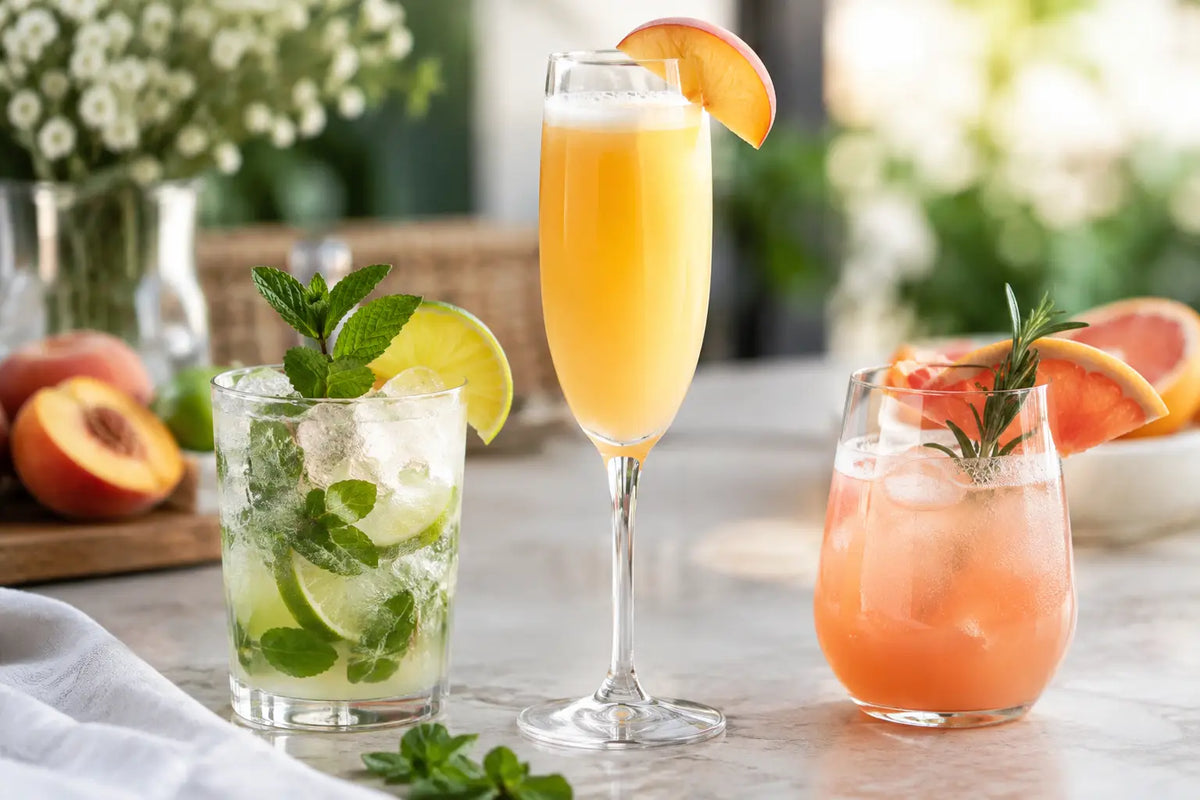
Start with a bright, sparkling option for daytime. Citrus, grapefruit, peach, and crisp botanical notes work naturally with brunch, salads, and lighter pastries. A Paloma-style drink, for example, brings tart grapefruit character and gentle bitterness that reads as sophisticated rather than sugary.
Then include a fresh, herbaceous choice. Mint, lime, and a clean finish make a Mojito-inspired mocktail easy to understand and easy to recommend. It is particularly useful for guests who usually order iced tea or lemonade but want an upgrade. The flavor should be zesty and refreshing, not candy-like.
A third option can bring depth and spice. Ginger, lime, and warming aromatics in a Moscow Mule-style serve pair well with richer food, from breakfast sandwiches to savory baked goods. It also offers a familiar choice for guests who want a drink with a little more presence.
If your cafe hosts weekend brunch or small celebrations, a Bellini-style pour provides an elegant fourth lane. Stone-fruit flavor and fine bubbles make it feel festive without being fussy. It is a natural fit for baby showers, daytime birthdays, and long lunches, but it should be positioned as a polished alternative, not a substitute for someone missing out.
Keep the menu clear, not crowded
Naming matters. Guests should be able to understand the drink in a few seconds, particularly in a busy ordering line. Familiar cocktail-inspired names give useful flavor cues, while a short descriptor tells the rest of the story. Think “Paloma - grapefruit, lime, sparkling” rather than a poetic title that leaves the guest guessing.
Write descriptions with taste first. Terms such as crisp, bright, minty, fiery, and lightly bitter help guests choose with confidence. Avoid framing every option around what it lacks. “Zero alcohol” is helpful information, but it should not be the headline. The point is a full-flavor drink that happens to be alcohol-free.
Keep the selection visually separate enough to be noticed, whether it sits on a counter board, printed menu, or digital ordering screen. A dedicated heading such as “Alcohol-Free Cocktails” or “Sparkling Mocktails” gives the category proper status. Listing these drinks beneath soda quietly tells guests they are an afterthought.
Serve with intention, without slowing service
A can poured over ice in an appropriate glass can feel every bit as considered as a made-to-order drink. The details are modest but meaningful: fresh, cold ice; a clean glass; a citrus wheel or mint sprig where it suits the flavor; and a consistent serving size. A garnish should add aroma or visual appeal, not create a labor problem during a rush.
Decide in advance whether each drink is served chilled in its can, poured into a glass, or offered both ways. The answer depends on your service model. Counter-service cafes may find that a chilled can is fastest and most appealing to guests on the move. Table-service concepts can create a more elevated experience with glassware and a simple garnish.
Train staff with one natural recommendation for each drink. They do not need a script. They do need the confidence to say, “If you like something tart and sparkling, try the Paloma,” or “The Mule has a crisp ginger kick and goes well with the breakfast sandwich.” That small moment of guidance turns an unfamiliar category into an easy add-on.
Price for quality and margin
Mocktails should not be priced as an apology for not containing alcohol. A premium alcohol-free cocktail has ingredient value, packaging value, and occasion value. It also avoids the high prep burden of many made-to-order specialty drinks. Price it in relation to your cold brew, premium tea, and food menu, while accounting for your serving format, garnish, and local market.
There is no universal number, and a cafe should not copy a bar’s pricing without context. A neighborhood bakery cafe may need an accessible entry point; a design-led all-day cafe can support a more elevated price. What matters is alignment. If the drink arrives in polished glassware with thoughtful presentation, the price should reflect that experience. If it is served grab-and-go, keep the value immediately clear.
Track sales by daypart, not just by product. You may find that peach-forward sparkling drinks move during weekend brunch, while citrus and ginger choices perform best in the afternoon. This information is more useful than guessing which flavors guests prefer in the abstract. It lets you refine your menu, stock appropriately, and build seasonal displays around proven occasions.
Make the offer visible beyond Dry January
Alcohol-free drinks often receive attention in January, then disappear from cafe storytelling for the rest of the year. That misses the larger point. People choose non-alcoholic options all year because they are working, driving, training, parenting, moderating, or simply in the mood for a great drink without alcohol.
Feature mocktails beside brunch specials, summer iced drinks, catered meetings, and celebration packages. Let them appear in the same photographs and table settings as every other premium menu item. Inclusion is not a separate campaign. It is the standard of making sure everyone at the table has something they are genuinely pleased to hold.
For cafes that want a refined starting point, Savyll’s ready-to-serve Bellini, Mojito, Paloma, and Moscow Mule styles offer recognizable flavor profiles without turning service into a production task. The key is to select the expressions that fit your food, pace, and customers rather than adding every available option.
A memorable cafe drink does more than quench thirst. It gives a regular Tuesday, a working lunch, or a long-awaited catch-up a little more occasion. Give guests a choice that feels as thoughtful as the rest of your menu, and they will have another reason to stay for one more conversation.