
12 Non Alcoholic Cocktail Menu Examples
A good host notices the small things - the right glassware, a playlist that never steals the room, and drinks that make every guest feel considered. That is exactly why non alcoholic cocktail menu examples matter. They help you move beyond offering "something without alcohol" and into serving drinks that feel intentional, balanced, and fully part of the occasion.
The difference is not just what is in the glass. It is how the menu reads, how the flavors sit alongside food, and whether the alcohol-free options feel as polished as everything else on the table. A strong menu should never make non-drinkers, sober-curious guests, or anyone taking a night off feel like an afterthought.
What makes non alcoholic cocktail menu examples work
The best menus do two things at once. They sound appealing on paper, and they are realistic to serve. That balance matters whether you are planning a dinner party at home, setting up drinks for a baby shower, or building an offering for a café or bar.
A useful alcohol-free cocktail menu usually has variety in flavor and mood. One bright and citrusy option is good. One deeper, more aromatic serve is even better. Add something festive with bubbles, and suddenly the menu feels complete rather than token. Texture also counts. Guests respond to drinks that are crisp, refreshing, juicy, spicy, or softly bitter because those qualities mirror what people already expect from a proper cocktail experience.
There is also a practical side. Some drinks are ideal if you want easy batching or ready-to-serve convenience. Others make more sense when presentation is the priority. It depends on the event. A brunch menu can lean fresh and lively, while an evening gathering often benefits from more layered, grown-up flavor.
12 non alcoholic cocktail menu examples for different occasions
1. Brunch menu
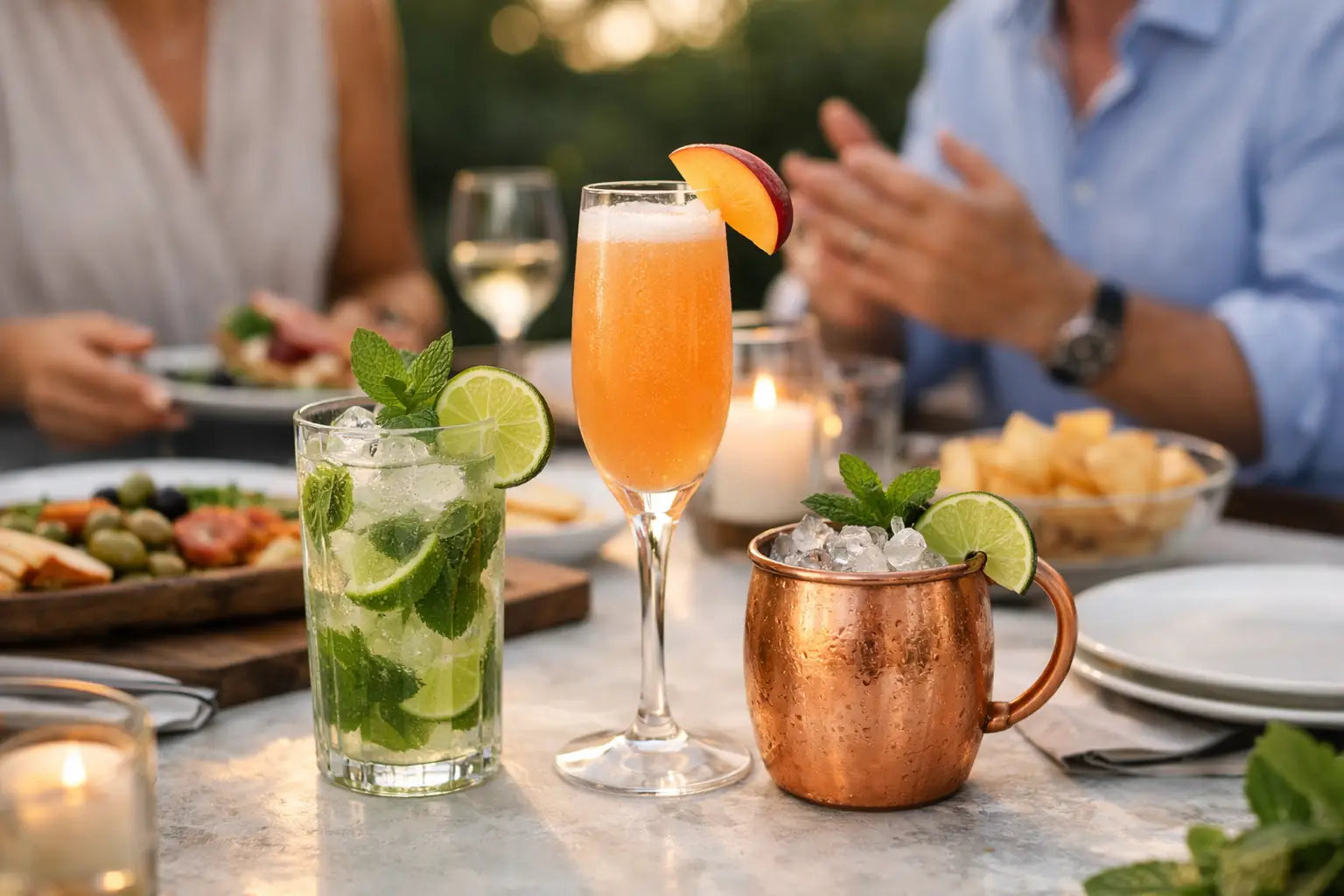
For brunch, keep the mood light, sparkling, and easy to pair with food. A simple menu could include a Bellini-style peach serve, a citrus spritz, and a mint-forward mojito-style option. This works because brunch drinks should feel celebratory without becoming too sweet or heavy before noon.
2. Dinner party menu
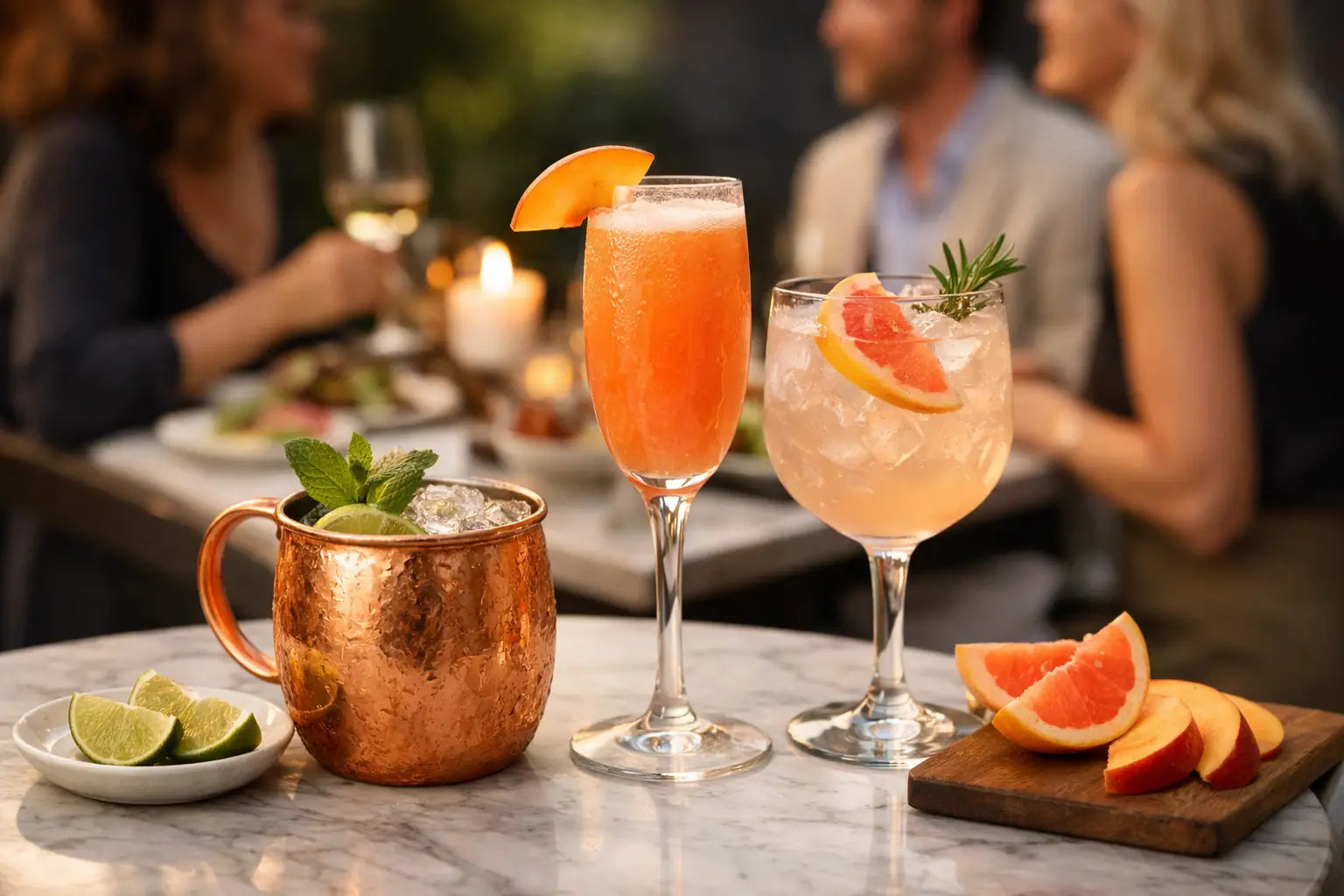
At dinner, range matters more than quantity. A clean Paloma-style drink brings citrus and slight bitterness, while a mule-style serve adds spice and freshness. Add one more elegant sparkling option and you have a menu that works across appetizers, main courses, and dessert without overwhelming the meal.
3. Summer garden party menu
Warm-weather hosting calls for drinks that feel crisp and cooling. Think cucumber and lime, grapefruit and sea salt, or a minty mojito-style serve poured over plenty of ice. This kind of menu reads relaxed, but it still feels adult and composed.
4. Holiday menu
A holiday non-alcoholic lineup should feel richer and more seasonal. A spiced citrus serve, a pomegranate spritz, and a ginger-led mule-style drink all bring depth without becoming too dense. The right menu here is less about novelty and more about making festive moments feel complete for everyone.
5. Wedding or shower menu
For weddings, bridal showers, or baby showers, clarity and elegance win. Keep the menu short with two or three beautiful options: a sparkling Bellini-style serve, a rosy fruit-forward drink, and one citrus-based choice for balance. Guests tend to order with their eyes first, so visual presentation matters as much as flavor.
6. Corporate event menu
Work events need drinks that feel polished, not playful. A menu built around a Paloma-style option, a mule-style serve, and a clean sparkling citrus drink usually lands well. It signals taste and hospitality without asking anyone to explain why they are not drinking alcohol.
7. Restaurant pairing menu
If you are building a restaurant list, think in the same way you would build a wine pairing. Include one bright aperitif-style drink, one herbal or mint-led serve, and one option with weight and spice. Non-alcoholic cocktail menu examples for restaurants work best when they complement dishes rather than compete with them.
8. Bar menu with classics
A classics-focused alcohol-free bar menu is one of the easiest ways to make guests feel at home. Bellini, Mojito, Paloma, and Moscow Mule-inspired options are familiar, stylish, and easy to understand. There is comfort in recognizable names, especially for guests who want a classic cocktail ritual without compromise.
9. Café all-day menu
Cafés need drinks that can move from midday refreshment to early evening socializing. A sparkling peach serve, a grapefruit citrus option, and a ginger-lime mule-style drink fit that brief well. The menu should feel elevated but not too formal, especially if guests are ordering alongside lunch or light bites.
10. Rooftop or celebration menu
For social occasions with a little glamour, bubbles do a lot of work. Build around a sparkling Bellini-style drink, a bright Paloma-style serve, and one aromatic citrus spritz. This kind of menu feels special immediately, even before the first sip.
11. Minimalist three-drink menu
Sometimes less is stronger. If you only want three options, choose one sparkling, one citrusy, and one spicy or minty. That gives enough contrast to suit different preferences while keeping service simple. This is especially useful for hosts who want a clean, confident menu rather than a long list.
12. Ready-to-serve hosting menu
Not every host wants to muddle herbs or prep syrups. A ready-to-serve menu built around bartender-quality canned non-alcoholic cocktails can look just as polished if you serve it properly. Pour over ice, use good glassware, add a simple garnish, and the experience feels considered instead of convenient.
How to build your own non alcoholic cocktail menu
Start with the occasion. A menu for a casual backyard lunch should not read like a late-night lounge card, and that is a good thing. Matching the tone of the event makes the drinks feel more natural.
Then think in flavor categories rather than specific recipes. A balanced menu often includes something zesty, something bubbly, and something with a little edge, whether that edge comes from ginger, herbs, or a touch of bitterness. This keeps choices distinct. If every drink is sweet and fruity, the menu will feel flat no matter how pretty it looks.
Presentation should follow the same logic. Coupe glasses, highballs, and wine glasses create subtle signals about the style of each serve. Garnishes do not need to be elaborate. A grapefruit wedge, fresh mint sprig, or peach slice is usually enough. The point is to make the drink feel finished.
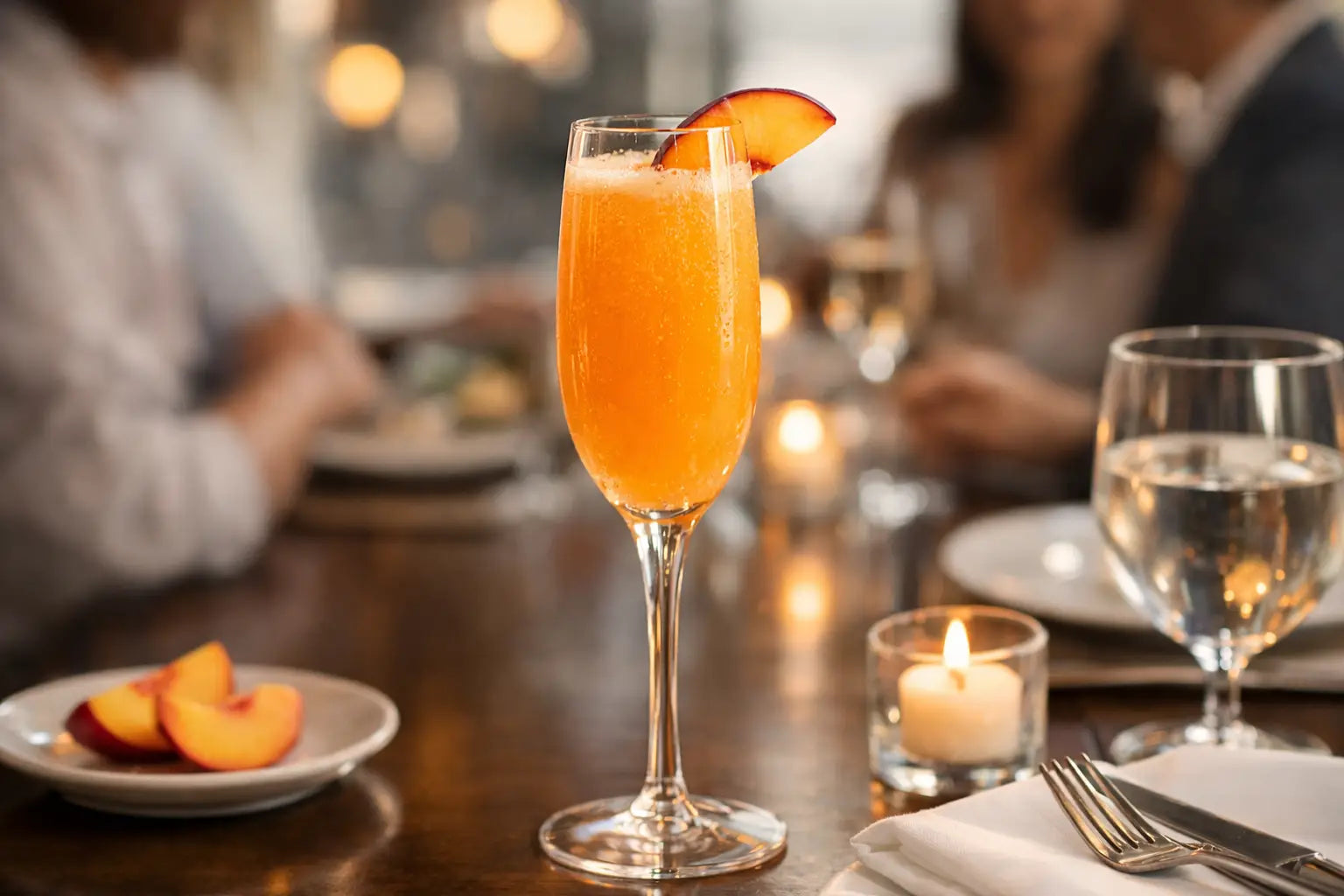
Naming also matters. Guests respond better to a menu that sounds deliberate and appetizing than one that labels drinks as a lesser version of something else. "Sparkling Peach Bellini" or "Crisp Grapefruit Paloma" sounds far more inviting than "mocktail option 1." The language should carry confidence.
Common mistakes that make an alcohol-free menu feel secondary
The most common mistake is offering too little choice. One alcohol-free drink on a long cocktail list sends a message, even if it is unintentional. A second issue is leaning too hard into sugar. Many guests want refreshment, complexity, and balance, not something that tastes like soda in a fancy glass.
Another misstep is making the drinks sound overly virtuous. Guests are not always looking for a wellness statement. Often, they simply want a sophisticated drink that suits the moment. That is why premium alcohol-free cocktails resonate when they focus on flavor, ritual, and social ease first.
There is also the question of effort. Some hosts assume a non-alcoholic menu has to be homemade to feel premium. It does not. Quality ingredients and smart service matter more than whether every element was built from scratch. For many occasions, ready-to-drink options are actually the better choice because they deliver consistency and save attention for the rest of the gathering.
When ready-to-drink options make the menu better
There is a time for shaker tins and fresh juice, and there is a time for opening something beautifully made and getting on with the evening. If you are hosting a crowd, speed and consistency are part of good hospitality. Nobody wants the alcohol-free option to arrive last or feel improvised.
This is where a premium ready-to-serve range can be genuinely useful. A Bellini that is bright and elegant, a Mojito that is minty and zesty, or a Moscow Mule that lands fiery and crisp gives you recognizable cocktail structure without the usual prep. For hosts and hospitality buyers alike, that can be the difference between a menu that looks good in theory and one that performs well in real life.
The best non-alcoholic menu is the one that feels fully invited to the table. When the drinks are thoughtful, stylish, and satisfying, guests do not focus on what is missing. They simply enjoy what is in front of them.