
What Are the Best Mocktails in a Can?
A warm can passed across the picnic blanket is nobody’s idea of a great cocktail. That is the real test behind the question, what are the best mocktails in a can: not just which ones sound appealing on the label, but which ones still feel considered, balanced, and genuinely occasion-worthy the moment you crack them open.
Canned mocktails have moved well beyond sugary soda with a fancy name. The best ones now borrow from classic cocktail structure, which means acidity, bitterness, aromatics, texture, and a finish that gives the drink shape. If you want something that belongs at dinner, at a rooftop gathering, or in a cooler packed for the beach, quality matters more than novelty.
What are the best mocktails in a can really made of?
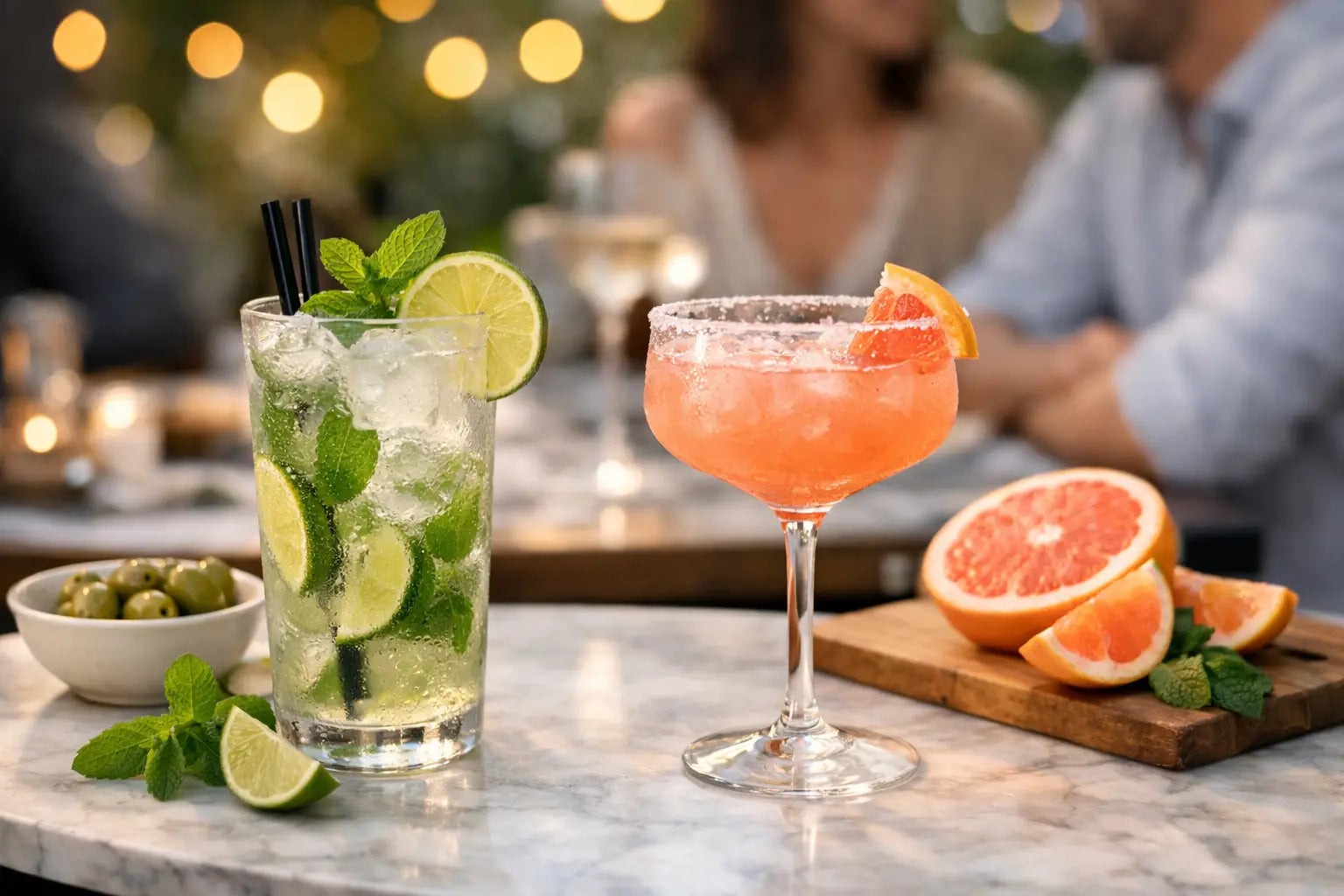
The strongest canned mocktails usually take inspiration from drinks that already rely on citrus, herbs, spice, and sparkling lift. That is why classics translate so well. A Bellini can still feel ripe and elegant without alcohol. A Mojito can still be minty, zesty, and refreshing. A Paloma can still bring grapefruit bitterness and brightness. A Moscow Mule can still deliver ginger heat and clean citrus bite.
What separates a premium can from a forgettable one is restraint. Too much sweetness flattens everything. Too much artificial flavor makes the drink taste more like candy than a cocktail. Too much focus on wellness cues can also pull the experience away from what many adults actually want, which is a refined drink that feels social, stylish, and complete.
That is why ingredient choices matter. Natural fruit notes, herbaceous character, believable spice, and a clean sparkling finish tend to outperform drinks built around vague “botanical” flavor or heavy-handed sweeteners. Vegan-friendly formulas and all-natural ingredients are a plus, but they only matter if the flavor still lands with confidence.
The best canned mocktails usually start with classic cocktails
There is a reason the most successful alcohol-free canned cocktails often echo established serves rather than inventing something overly complicated. Familiarity gives the drink a role. It tells you when to pour it, what food it suits, and how it should feel in the glass.
Bellini
A good canned Bellini should taste bright, juicy, and polished, not syrupy. Peach can go wrong quickly if it becomes sticky or overly perfumed. The best versions keep the fruit crisp and sparkling, with enough lift to make it brunch-ready but still elegant enough for a celebration. This is one of the strongest options if you want something easy to love without feeling simplistic.
Mojito
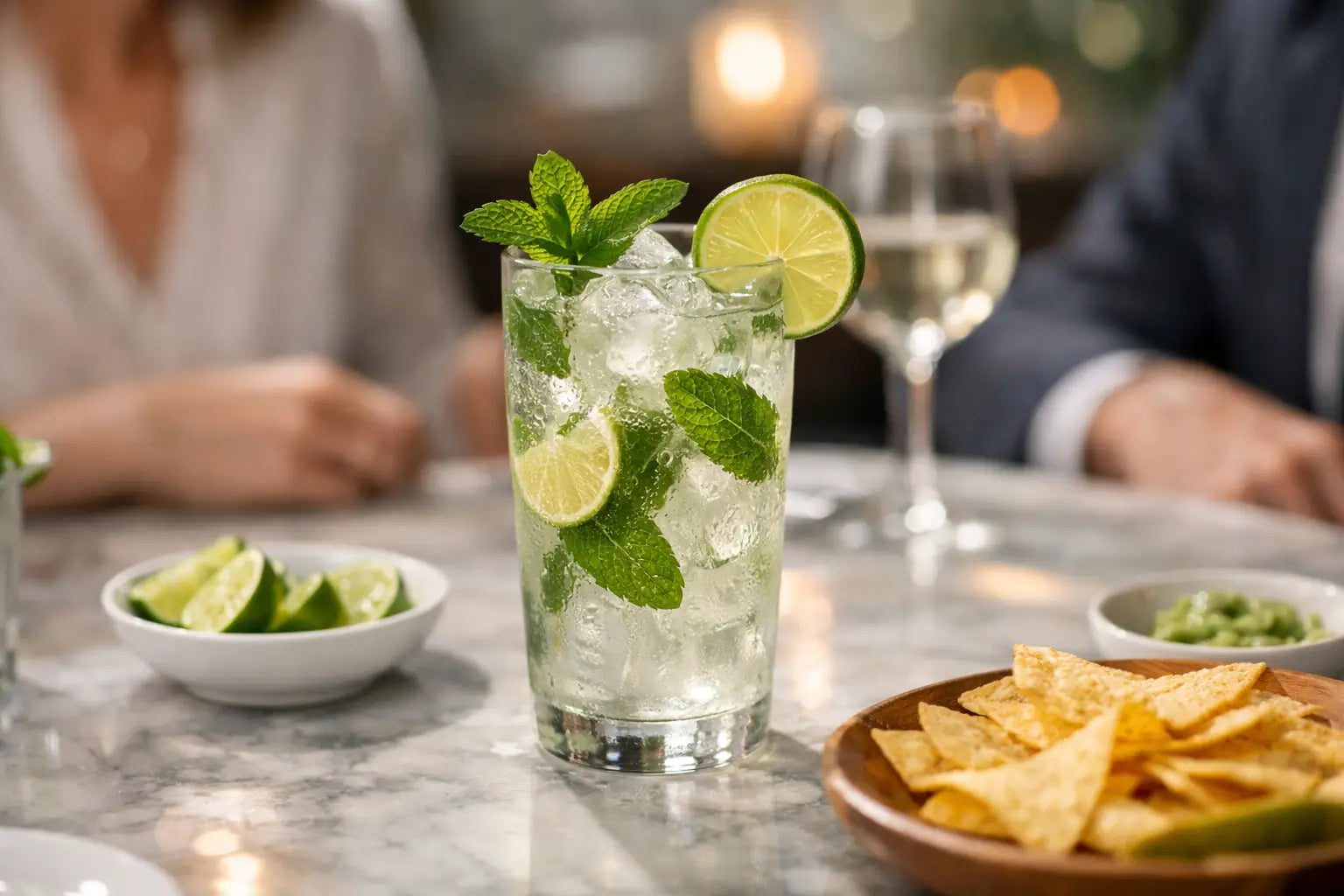
Mojito-style mocktails in a can are often among the most refreshing choices, but they can also be the easiest to get wrong. Mint should taste fresh, not toothpaste-cool. Lime should bring edge, not just sourness. When done well, a canned Mojito is light, lively, and incredibly useful for warm-weather hosting because it feels instantly familiar and easy to serve.
Paloma
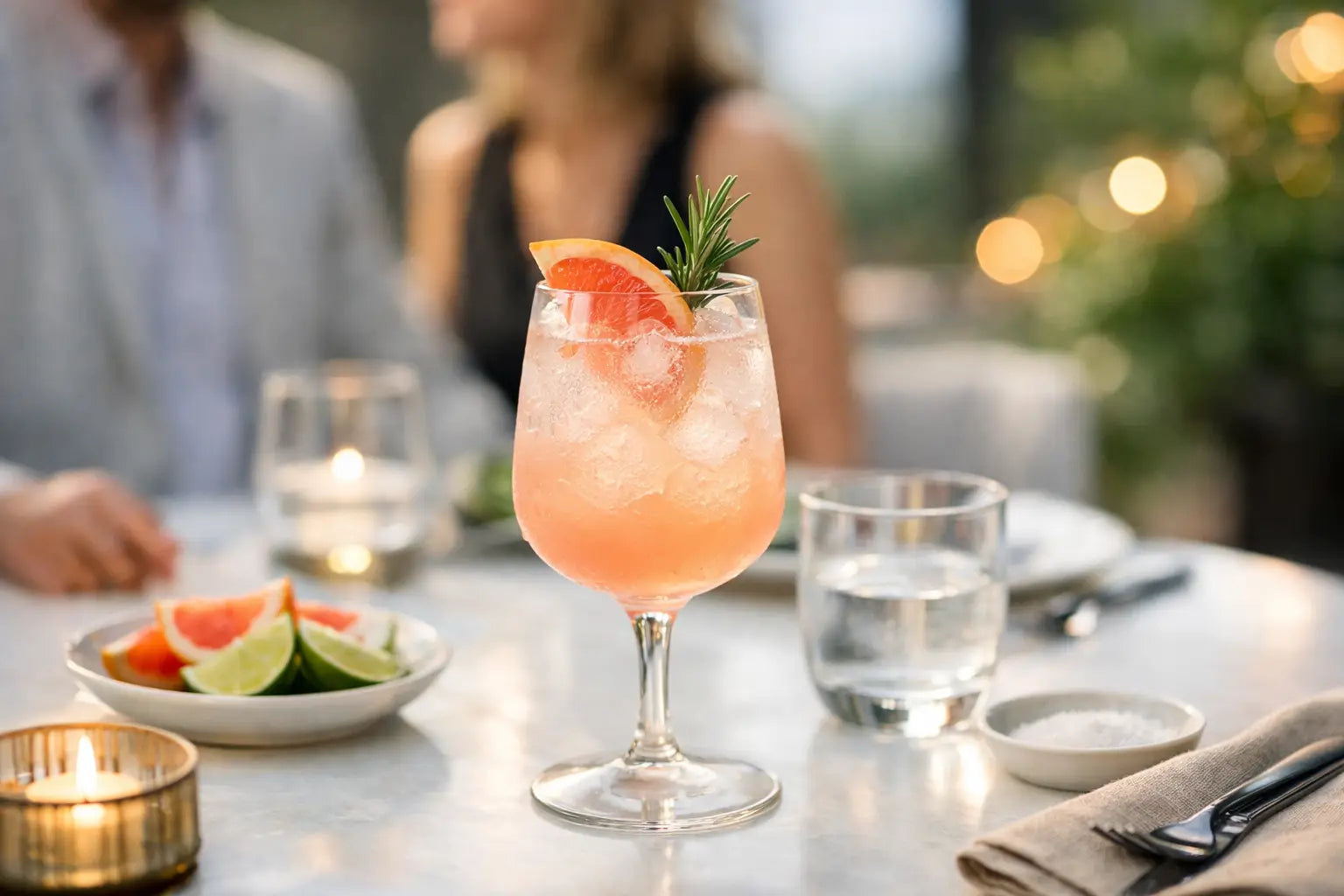
If your taste runs less sweet, Paloma-style canned mocktails deserve a close look. Grapefruit gives these drinks a sophisticated bitterness that many canned beverages lack. The best ones feel brisk and grown-up, with citrus depth rather than one-note sharpness. They also pair especially well with food, which makes them a smart choice for dinners and casual entertaining.
Moscow Mule
A canned Moscow Mule lives or dies on ginger. You want some fire, some punch, and enough citrus to keep the spice crisp. Flat ginger flavor makes the whole thing feel generic. But when the balance is right, this style is bold, energetic, and ideal for people who want an alcohol-free option that still has presence.
How to tell which canned mocktails are actually good
The can itself is convenient. The drinking experience still needs to earn its place.
First, look for balance. A premium mocktail should not lean entirely on sweetness to create impact. It should have layers, even if they are subtle. Citrus should brighten, herbs should lift, spice should build, and the finish should leave a clean impression rather than a sugary coating.
Second, think about whether the flavor profile matches the occasion. Some canned mocktails are built for easy afternoon drinking. Others are better suited to dinner service or evening gatherings. A peach-forward Bellini works beautifully for brunch or celebrations. A grapefruit-led Paloma feels sharper and more food-friendly. A gingery Mule has more edge and can stand up to richer flavors.
Third, consider presentation. This may sound superficial, but it is not. One reason canned mocktails have become so popular is that they make alcohol-free drinking feel socially fluent. A well-designed can and a sophisticated flavor profile help the drink feel intentional rather than like an afterthought. For hosts, that matters. For guests, it matters even more.
What are the best mocktails in a can for different occasions?
The best choice depends on the moment as much as the ingredient list.
For brunch, lighter fruit-led drinks usually win. Bellini-style serves feel festive without asking too much of the palate early in the day. They are easy to pour into a flute or stemmed glass and instantly make the table feel more celebratory.
For outdoor gatherings, Mojito and Paloma styles often perform best. They are refreshing, crowd-pleasing, and bright enough to hold their character when served very cold. If you are stocking a cooler for a park day or backyard lunch, these are reliable options.
For dinner parties, a more structured mocktail usually makes the stronger impression. Paloma and Moscow Mule styles have enough bitterness or spice to sit comfortably alongside food. They feel more adult and less like a soft drink, which is exactly what many guests are looking for.
For mixed groups, variety matters. Not everyone wants the same profile. A well-chosen multipack with citrus, fruit, herb, and spice across the range is often the smartest buy because it gives guests a sense of choice without forcing the host to overthink it.
The trade-offs to keep in mind
Not every canned mocktail needs to imitate a bar-made cocktail perfectly. Convenience is part of the appeal. But there are still trade-offs worth noticing.
Freshness is one. A canned drink can deliver excellent consistency, but it may not have the same volatile aromatics as a cocktail made with freshly slapped mint or just-squeezed citrus. That does not mean it is worse. It means the best brands compensate with smart formulation and balance.
Carbonation is another. Some drinks benefit from a lively sparkle, while others can feel overly fizzy if the bubbles dominate the flavor. A Mojito or Paloma often welcomes that brightness. A Bellini needs a softer touch to stay elegant.
Sweetness is perhaps the biggest dividing line. Many people coming to alcohol-free cocktails want sophistication, not sugar. If a canned mocktail tastes like a dressed-up soda, it will not hold attention for long. The best options understand that adult flavor is not about making a drink harsh. It is about giving it shape.
What to look for before you buy
If you are comparing brands, start with the classics. They make it easier to judge whether a producer understands cocktail balance. A confident lineup built around recognizable serves usually says more than a scattered mix of trend-driven flavors.
Pay attention to how the drink is described. If the language focuses on taste first, that is usually a good sign. If everything centers on function, supplements, or wellness claims, the drinking experience may be secondary. For many consumers, that is not the point of a mocktail.
It also helps to think about whether you want a can that is ready to drink on its own or one that works best dressed up with garnish and glassware. The finest canned mocktails can do both. They are convenient straight from the fridge, but they also look entirely at home poured over ice in proper glassware when the moment calls for it.
A brand like Savyll stands out here because it treats alcohol-free cocktails as a stylish choice in their own right, with bartender-quality flavor and classic profiles that make sense in real social settings.
So, what are the best mocktails in a can?
The best canned mocktails are the ones that respect the drinker. They do not assume alcohol-free means childish, overly sweet, or stripped of occasion. They offer real flavor, recognizable cocktail character, and the kind of convenience that makes hosting easier without lowering the standard.
If you want the safest route to quality, start with classic profiles done well: a crisp Bellini, a minty Mojito, a bright Paloma, and a fiery Moscow Mule. Each brings something different to the table, and together they cover most moods, menus, and guest lists.
The useful question is not just which can tastes good for one sip. It is which one you would be happy to serve to everyone else. That is usually where the best alcohol-free drinks reveal themselves.