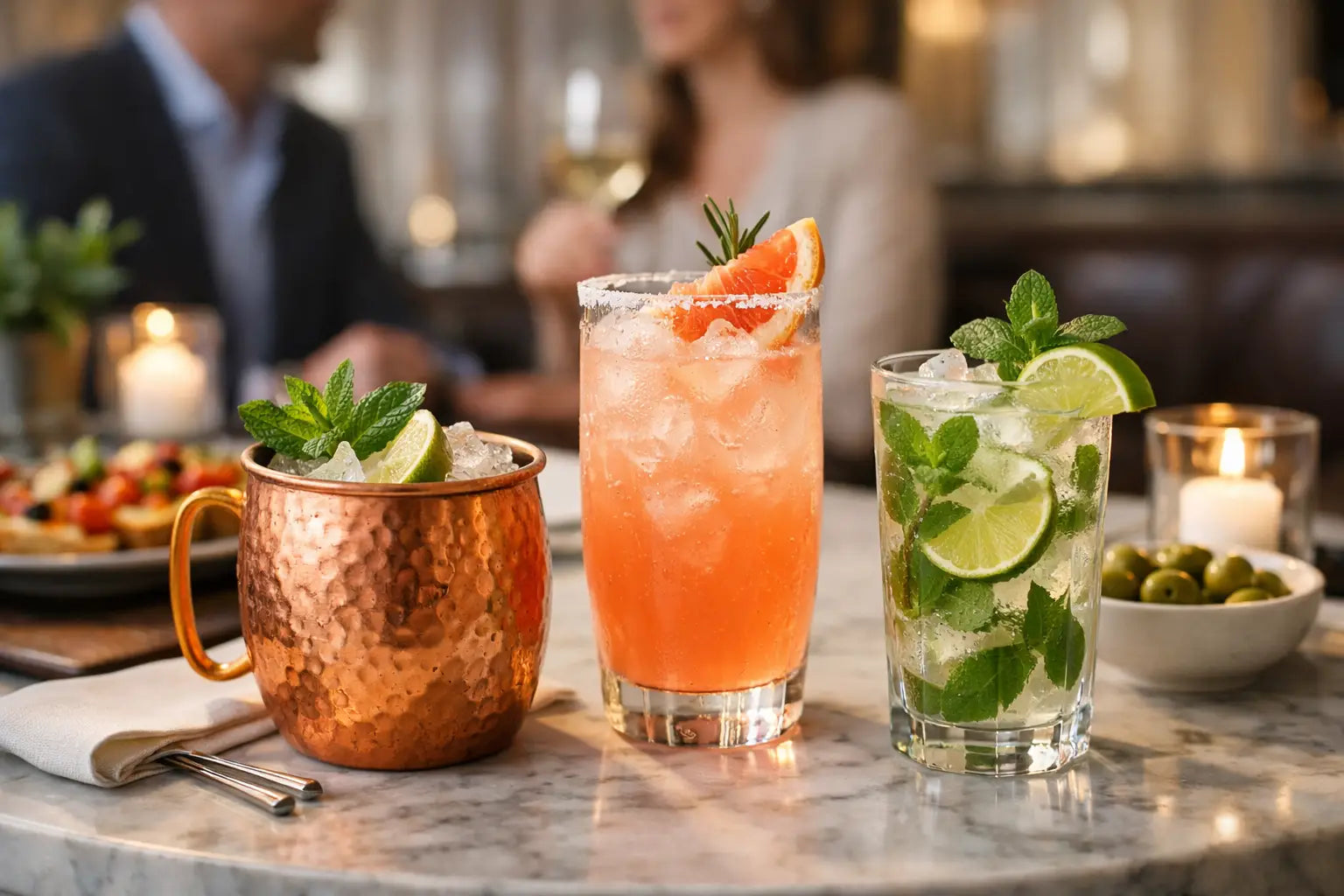
Wholesale Non Alcoholic Cocktails That Sell
A guest scans the menu, wants something celebratory, and skips the soda. A shopper stands in front of the fridge, looking for something polished enough to bring to dinner. That is where wholesale non alcoholic cocktails earn their place. They are no longer a side category for a narrow audience. Done well, they answer a very current demand for drinks that feel grown-up, social, and worth serving.
For buyers, the shift is practical as much as cultural. People still want the ritual of a cocktail - the balance, the bitterness, the citrus, the lift of mint, the snap of ginger - but not always the alcohol. That creates a real opportunity for retailers, bars, cafes, hotels, and distributors that want a premium offer without adding complexity behind the scenes.
Why wholesale non alcoholic cocktails are gaining ground
The best alcohol-free cocktails are no longer trying to imitate juice with a fancy label. They are built around the same expectation as any good drink: structure, flavor, and a sense of occasion. That matters because customers can tell the difference immediately. If the serve feels flat, sweet, or childlike, it will not earn a second order.
That is why this category has moved beyond trend status. Moderation has become part of everyday social life, not a niche behavior. Some guests are sober-curious. Some are not drinking that night. Some never drink alcohol at all. Many simply want a second or third round that keeps the evening going without changing the mood. A strong alcohol-free cocktail range meets all of them without forcing anyone into a lesser choice.
For trade buyers, that broader appeal is what makes wholesale compelling. You are not buying for one identity group. You are buying for work lunches, weekday dinners, baby showers, summer gatherings, hotel minibars, corporate events, and bar menus that need to welcome everyone at the table.
What buyers should look for in wholesale non alcoholic cocktails
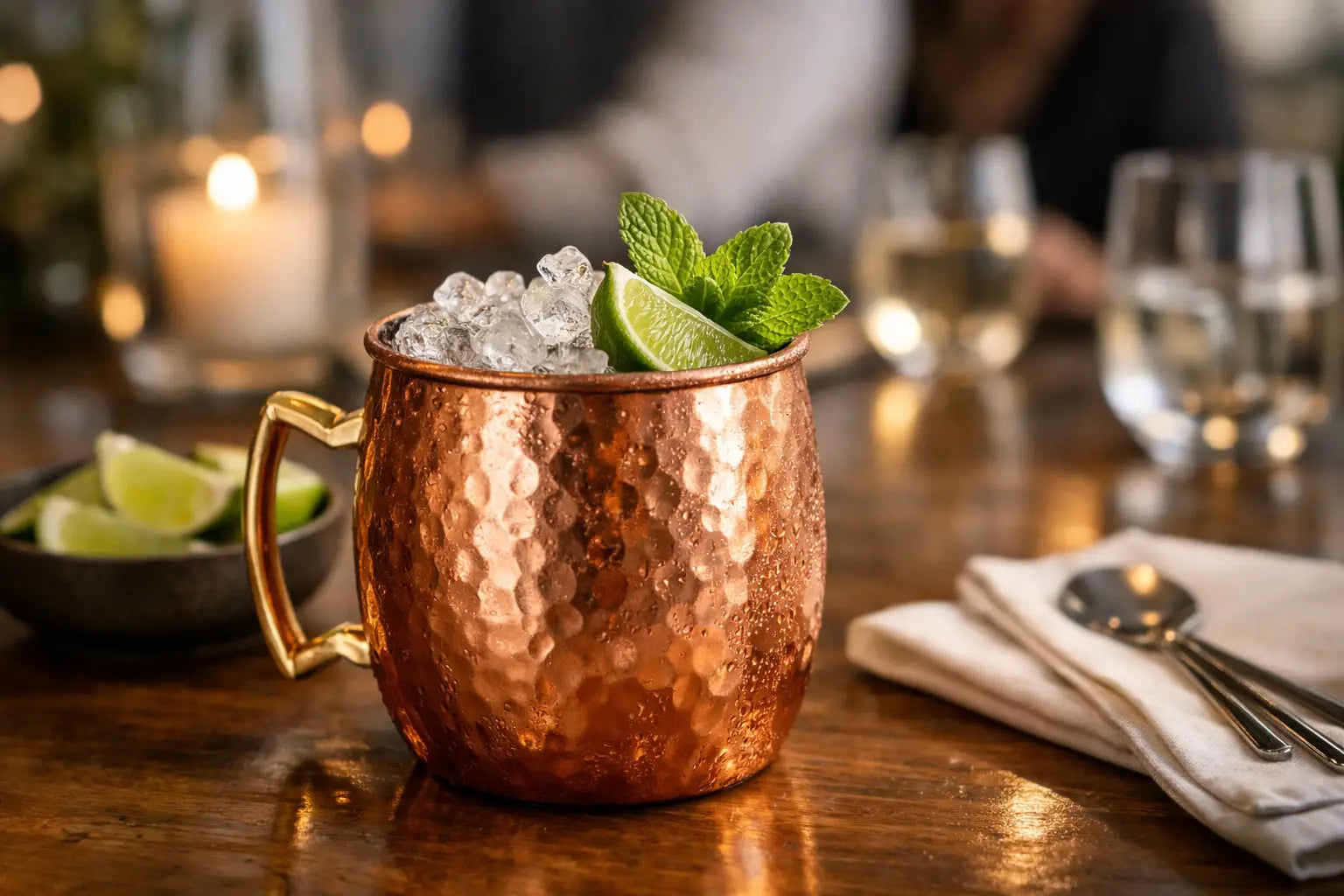
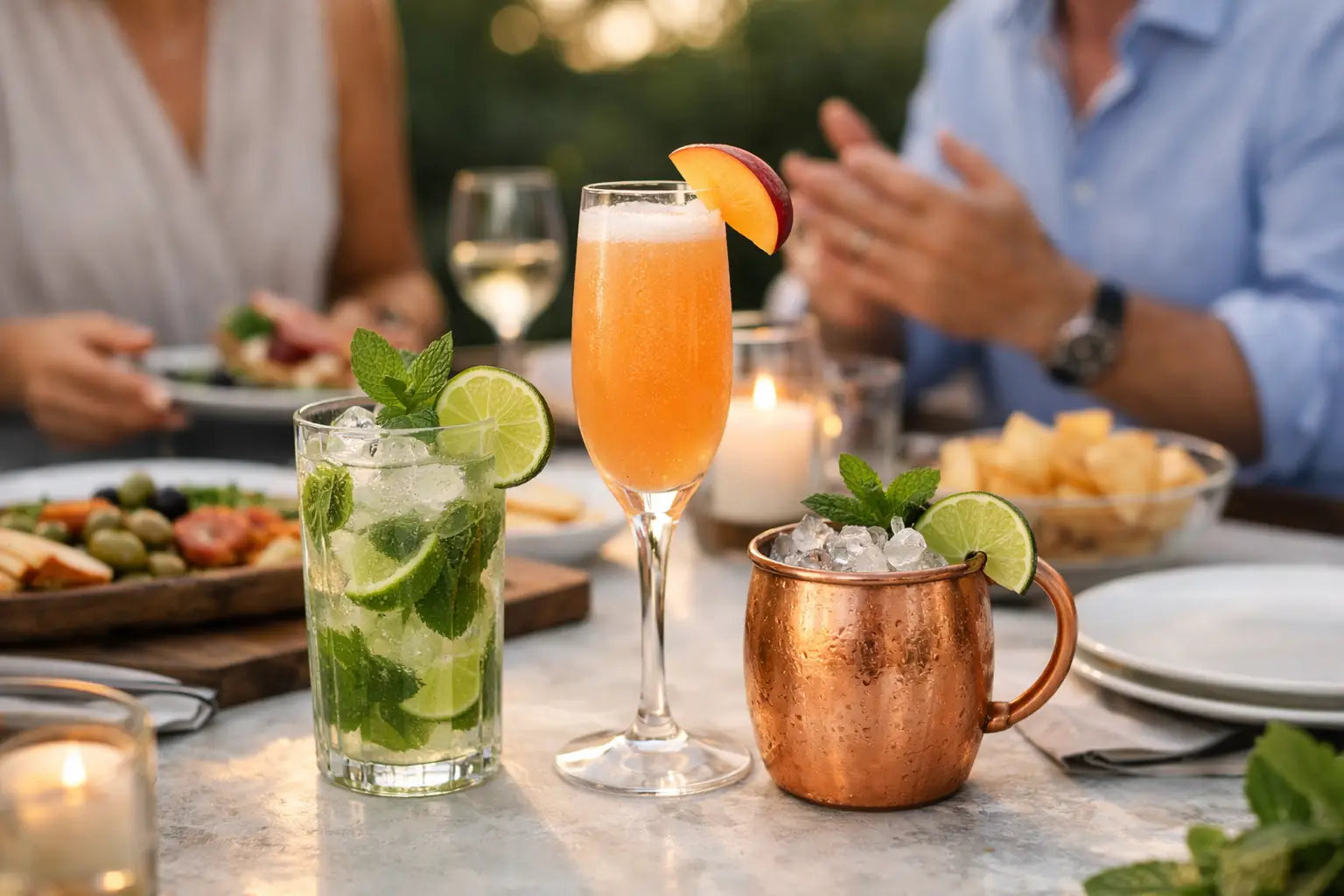
A premium can design might catch attention first, but repeat sales come from what is in the glass. Flavor should lead the decision. The most reliable products are inspired by familiar cocktail formats and then built carefully enough to stand on their own. A good alcohol-free Bellini should feel bright and elegant, not sugary. A Mojito should be minty, zesty, light, and refreshing. A Moscow Mule should carry real ginger heat and citrus tension, not just sweetness.
Texture matters too. Many non-alcoholic drinks fail because they miss the weight and pacing people associate with cocktails. The best ready-to-drink options create a balanced sip with acidity, bitterness, spice, or botanical lift, so the drink feels adult and complete.
Convenience is the second filter. Wholesale non alcoholic cocktails work best when they remove friction for the business serving them. Ready-to-drink formats are especially attractive because they reduce labor, cut waste, and support consistency. In a bar or cafe setting, that means faster service and fewer variables. In retail, it means a product that is easy to merchandise, easy to explain, and easy for customers to enjoy at home.
Then there is brand positioning. Buyers should ask a simple question: does this drink feel worthy of the occasion? If the answer is yes, it will travel further across channels. A stylish canned cocktail can sit comfortably at a picnic, on a restaurant list, in a boutique hotel fridge, or on a premium grocery shelf. That versatility is part of the value.
The business case for stocking the category
There is a social reason to offer alcohol-free cocktails, and there is a commercial one. The commercial case starts with menu and shelf relevance. If customers increasingly expect non-alcoholic options, a weak selection quietly tells them the business is behind. A strong selection, by contrast, signals taste, hospitality, and modern awareness.
There is also a basket-building effect. In retail, a premium alcohol-free cocktail often enters the cart alongside hosting purchases such as snacks, desserts, and meal items. For hospitality venues, it can increase spend from guests who might otherwise order water or a standard soft drink. A carefully priced non-alcoholic cocktail can also protect the premium tone of a menu. It keeps the guest in the same experience rather than dropping them into an entirely different category.
That said, not every product works in every setting. A convenience-led store may need broad recognition and immediate drinkability. A bar program may want more complexity and a cleaner finish. A cafe may prefer lighter, daytime-friendly profiles. Wholesale buyers do better when they match the assortment to the moment of consumption rather than chasing the category in the abstract.
How to choose the right range for your channel
A focused lineup often performs better than an oversized one. Too many options can confuse shoppers and slow down ordering. A smart range usually starts with recognizable serves that already carry social meaning. Bellini, Mojito, Paloma, and Moscow Mule styles tend to land well because customers know roughly what they should taste like and when they would drink them.
For retail, variety packs can be especially useful. They lower the barrier to trial and give customers a way to serve mixed preferences at gatherings. For bars and restaurants, core serves with distinct flavor profiles often make more sense. You want enough breadth to cover different palates - citrus-forward, minty, ginger-led, lightly bitter - without creating menu clutter.
Packaging should support the setting. Sleek, premium cans work well because they chill quickly, travel easily, and look polished when served straight or over ice. They also help maintain quality at scale. For operators, that reduces back-bar pressure. For consumers, it turns convenience into something elevated rather than utilitarian.
What separates premium from forgettable
The category is growing, which means not every option deserves shelf space. The most forgettable products lean too hard on the fact that they are alcohol-free, as if absence alone is a selling point. That may attract a first glance, but it does not build loyalty.
Premium wholesale non alcoholic cocktails are sold by presence. They taste intentional. They use ingredients people recognize. They avoid the medicinal tone that has held parts of the category back. And they respect the visual language of adult drinking, from can design to serving suggestion.
This is where confidence matters. People do not want to feel they are settling when they choose not to drink alcohol. They want the same sense of ritual and generosity they would get from a classic cocktail. Brands that understand that tend to perform better because they are not speaking only to restraint. They are speaking to pleasure, taste, and inclusion.
One reason Savyll has resonated in this space is that it treats alcohol-free cocktails as a category worthy of real craft and real style. That approach matters to buyers because it makes the product easier to sell. You are not asking customers to compromise. You are offering them something they will actively want.
Selling wholesale non alcoholic cocktails successfully
Once the product is right, presentation does a lot of the work. On menus, these drinks should sit with confidence, not as an afterthought under soft drinks. On shelf, they benefit from clean premium merchandising that groups them with other adult-ready refreshments rather than children’s beverages or functional wellness products.
Language matters as well. Describing flavor clearly is more persuasive than leaning on lifestyle clichés. Words like crisp, zesty, fiery, citrusy, and refreshing give customers something tangible. Occasion cues help too. A Bellini for brunch, a Paloma for warm evenings, a Mojito for outdoor dining, a Moscow Mule for a punchier serve. People buy faster when they can picture the moment.
Sampling can accelerate adoption, especially in retail and hospitality. Non-alcoholic cocktails still surprise some customers because expectations are shaped by older, less sophisticated products. One good sip often changes the conversation.
A category with staying power
Wholesale non alcoholic cocktails are not replacing traditional drinks. They are expanding what a good drinks program can be. That distinction matters. The strongest businesses are not treating alcohol-free options as a moral statement or a temporary trend. They are treating them as part of modern hospitality.
That is the real opportunity for buyers. When the flavor is bartender-quality, the format is easy to serve, and the presentation feels premium, alcohol-free cocktails stop being a backup plan. They become a credible first choice for more people, in more settings, more often.
If you are building a menu, a shelf set, or a distribution portfolio, the smartest move is not simply to add the category. It is to choose products that make celebration feel open to everyone at the table.