
Non Alcoholic Beverage Trends 2026 to Watch
A beautifully set table should not leave anyone with an afterthought in their glass. The most compelling non alcoholic beverage trends 2026 will move beyond the question of whether people are drinking less and toward a better one: what does a genuinely satisfying, celebratory drink look like when alcohol is not the point?
For hosts, hospitality teams, and anyone who enjoys a proper cocktail moment, the answer is increasingly clear. It means drinks with recognizable flavor, considered presentation, and enough character to hold their place beside dinner, conversation, and a full evening out. Alcohol-free is no longer a separate, lesser menu. It is becoming part of how modern occasions are designed.
Non Alcoholic Beverage Trends 2026: Flavor Takes the Lead
The category’s strongest shift is also the most welcome: flavor is becoming the standard by which alcohol-free drinks are judged. Consumers have moved past overly sweet sodas, flat juices, and drinks that lean so heavily on functional ingredients that they feel more like a supplement than a treat.
In 2026, expect more demand for familiar cocktail profiles done with real balance. Bright citrus needs a little bitterness. Ginger needs heat and lift. Mint should feel freshly crushed, not candy-like. A good alcohol-free Paloma, Mojito, Bellini, or Moscow Mule works because it gives the palate contrast: tartness, sweetness, aroma, spice, and length.
That does not mean every drink must imitate alcohol. Some drinkers want a classic cocktail cue without reproducing the burn of spirits, while others prefer a lighter, fruit-forward serve. The common expectation is not imitation at any cost. It is complexity without compromise.
For brands and venues, this raises the bar. A can or bottle must taste polished on its own, not rely on a garnish or a complicated recipe to become interesting. All-natural ingredients and vegan-friendly formulations matter, but they are the foundation. The reason someone reaches for a second drink is simple: it tastes excellent.
Ready-to-Serve Becomes the Smartest Host Move
People want elevated drinks, but few want to spend the first hour of their own gathering measuring syrups and squeezing limes. Ready-to-drink alcohol-free cocktails are poised to become even more central to entertaining because they answer both needs at once: a refined serve and less work behind the bar.
The convenience piece is not a shortcut when the product is well made. It is hospitality. A chilled, beautifully designed can gives a host a dependable option for the guest driving home, taking a break, training for an event, expecting a baby, or simply choosing not to drink. No explanations required. No scrambling for an alternative after everyone else has been served.
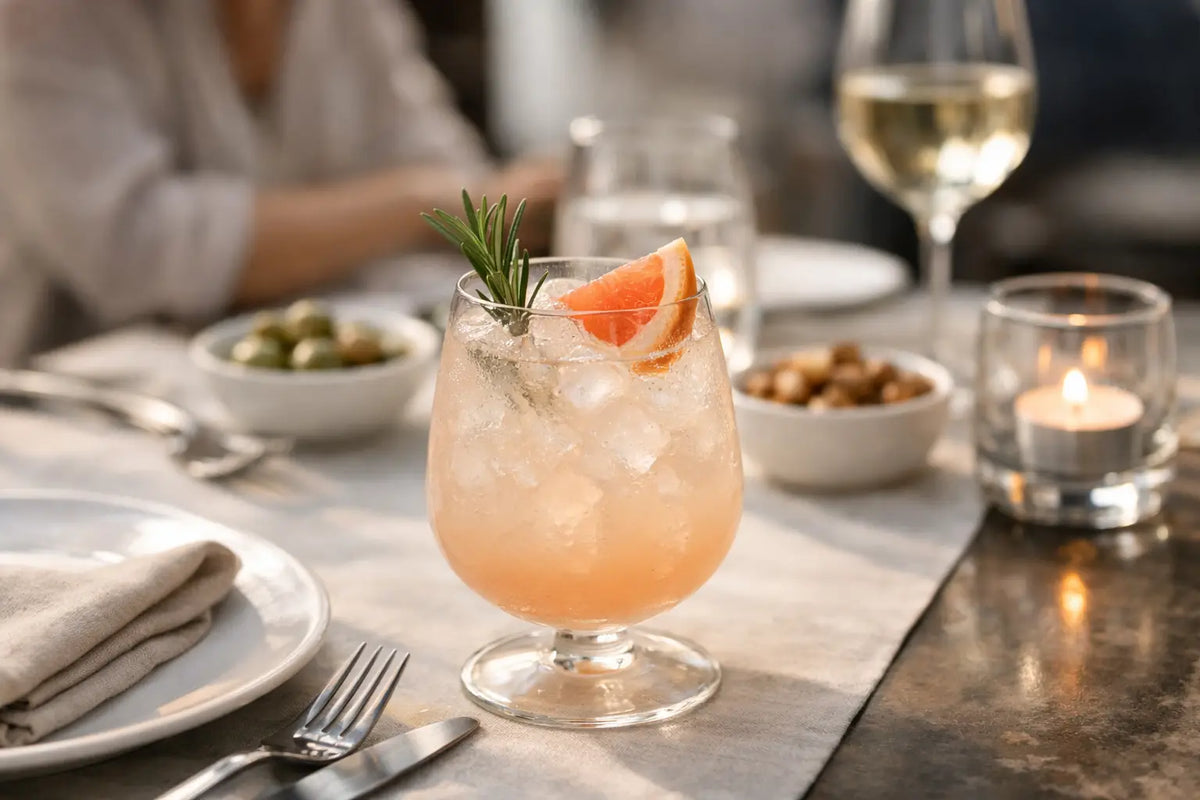
This is where presentation matters. Serve a canned cocktail in a proper glass over ice, add a grapefruit twist to a Paloma or a sprig of mint to a Mojito, and the occasion immediately feels intentional. A ready-to-serve format can be casual enough for a backyard lunch and polished enough for a dinner party.
For bars and restaurants, dependable ready-to-serve options also solve a practical problem. They make it easier to offer a consistent premium non-alcoholic cocktail during a busy service, without adding a long recipe to the team’s workflow. The best program is not necessarily the largest one. A concise selection of recognizable, well-executed choices can serve more guests well.
Moderation Will Look More Social Than Restrictive
Moderation is often described in terms of what people are giving up. That framing is losing its appeal. The more useful idea is choice: adults want the freedom to enjoy a sophisticated drink at any point in the evening, with or without alcohol.
This is changing how people stock the fridge and plan a night out. Rather than choosing one lane for the entire occasion, guests may start with a non-alcoholic Bellini, switch to wine with dinner, then return to a crisp, alcohol-free Moscow Mule later on. Others will stay alcohol-free from the first toast to the last conversation. Both experiences deserve the same sense of occasion.
The trend is not about making every gathering health-focused or turning a cocktail hour into a lecture. It is about making alcohol-free choices feel natural. When the drink looks good, tastes complete, and arrives without ceremony, the social distinction fades.
That is particularly relevant for group occasions. A host who offers only wine, beer, and sparkling water is still asking some guests to opt out of the main ritual. A thoughtful alcohol-free cocktail offering lets everyone participate in the toast, the food pairing, and the small pleasure of holding something made for adults.
The Return of Recognizable Classics
Novelty will always have a place in beverages, but recognizable classics are likely to carry more weight in 2026. Consumers do not need a menu of obscure flavors to feel impressed. They want confidence that the drink in front of them will deliver what its name promises.
Classic cocktail inspiration gives people an easy entry point. A Bellini signals soft peach and celebratory sparkle. A Mojito suggests cool mint, citrus, and refreshment. A Paloma brings grapefruit brightness, while a Moscow Mule offers ginger’s fiery edge. These are flavors people understand before the first sip.
The trade-off is that familiar drinks leave nowhere to hide. If a product calls itself a Mojito, it needs to be minty, zesty, light, and genuinely refreshing. If it is a Mule, it should be punchy and crisp rather than merely sweet. Quality becomes more visible when the reference point is a cocktail people already know.
For shoppers, mixed packs will also remain appealing because occasions rarely call for one flavor only. A variety of cocktail styles makes it easier to match the mood, the meal, or the guest. Sparkling and fruit-forward can suit a brunch table; ginger and citrus can carry an evening gathering. Choice feels generous without becoming complicated.
Adult Design Will Matter as Much as the Liquid
The visual language of alcohol-free beverages is maturing. In 2026, packaging, glassware, and menu placement will continue to signal whether a drink is meant to be an equal part of the occasion or a fallback option.
Premium does not have to mean precious. It means the product has been considered: a confident name, elegant design, a clear flavor promise, and a serve that looks at home in someone’s hand. Consumers are drawn to drinks that photograph well, certainly, but the deeper point is belonging. Nobody wants to feel like they are drinking the juvenile option at an adult table.
This is why alcohol-free cocktails should be listed alongside other cocktails on a menu, not hidden under a vague “non-alcoholic” header with two token choices. The language should be equally appetizing. Describe the citrus, the bubbles, the ginger, the ripe peach. Lead with what the drink offers, not what has been removed.
Savyll’s approach to bartender-quality canned classics reflects this direction: the point is not to create a substitute that asks for lowered expectations. It is to provide a stylish, ready-to-pour cocktail experience that keeps the occasion open to everyone.
What to Keep in Mind When Choosing Alcohol-Free Drinks
Not every trend will suit every occasion. A deeply botanical drink may be ideal before dinner but compete with a delicate meal. A sweet sparkling option can be perfect for a daytime celebration yet feel less satisfying late at night. The best choice depends on the setting, the food, and the people around the table.
Start with the role the drink needs to play. For a welcome drink, choose something bright and sparkling. For a long dinner, look for acidity, dry notes, or a little ginger spice to keep the palate interested. For a relaxed gathering, offer two distinct styles so guests can choose between refreshing citrus and something warmer or fruitier.
Most of all, serve alcohol-free drinks with the same care you would give any other cocktail. Chill them properly. Use ice when the flavor calls for it. Bring out real glassware when the moment warrants it. A considered pour is a small gesture, but it tells every guest they were part of the plan from the beginning.


